Is a Kigurumi the Same as a Onesie?
If you’ve ever searched for a cozy animal costume, you’ve probably seen both terms used interchangeably. But are they actually the same thing? The short answer is no, though they share a lot of DNA. Understanding the real differences, and similarities, helps you make a smarter purchase decision.
🎌 What Is a Kigurumi, Exactly?
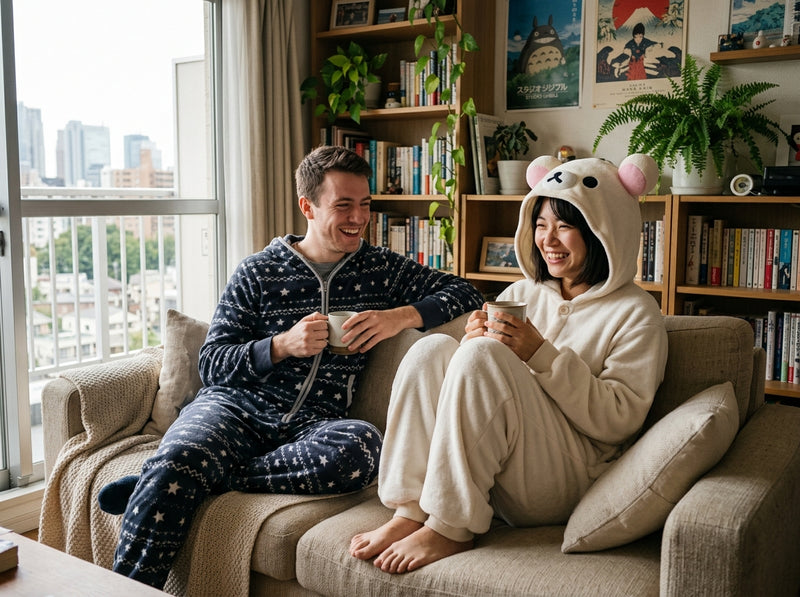
The word kigurumi comes from Japanese, combining “kiru” (to wear) and “nuigurumi” (stuffed animal or plush toy). It refers to a specific style of wearable costume that originated in Japan, designed to make the wearer look like a cartoon character, animal, or fictional creature from head to toe.
Kigurumi became a mainstream fashion item in Japan during the late 1990s and early 2000s, popularized by the brand SAZAC, which helped define the aesthetic globally. The style is deeply rooted in Japanese pop culture, cosplay, and the broader kawaii (cute) fashion movement.
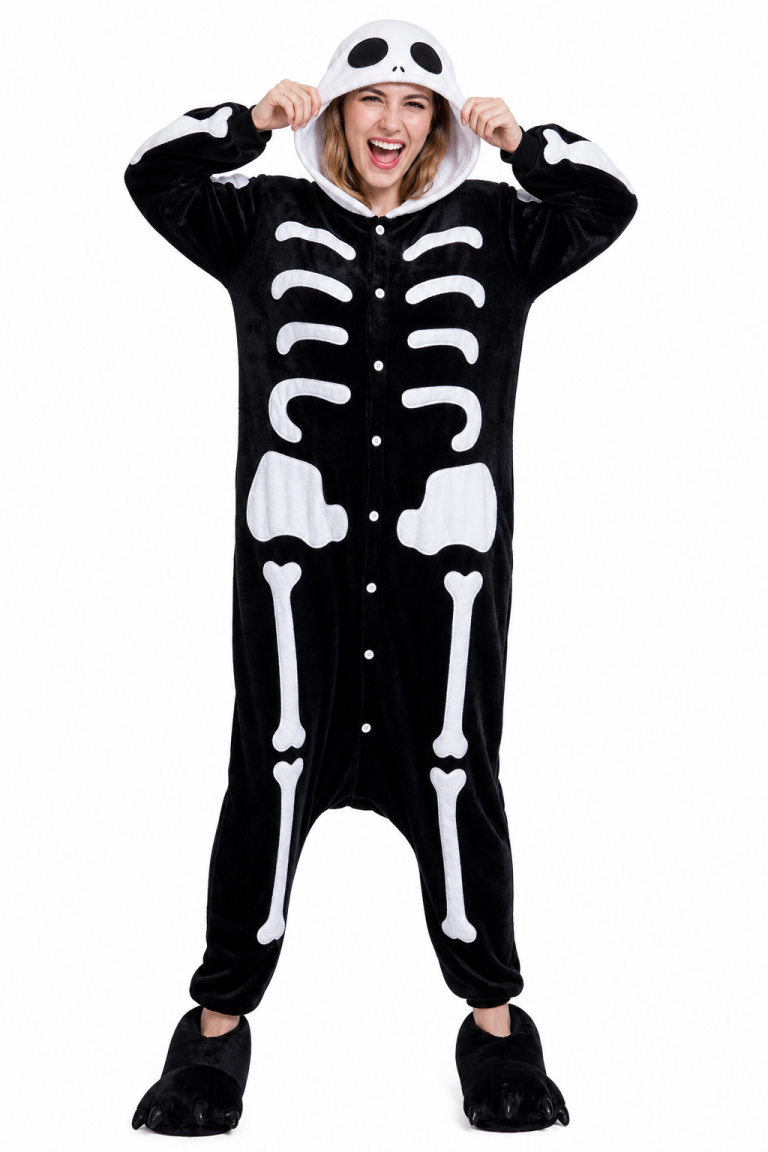
A true kigurumi typically features:
- A full-body animal or character design with a hood shaped like the creature’s head
- Ears, eyes, and facial details sewn directly onto the hood
- A front zipper running from chest to neck or all the way down
- Foot coverage with non-slip soles or integrated footies
- Plush, fleece, or flannel fabric with a soft, costume-like finish
- Tail details sewn into the back seam
The construction prioritizes character accuracy. When you wear a kigurumi, the goal is to visually transform into the character or animal it represents. That’s a different design philosophy than basic loungewear.
🛋️ What Is a Onesie?

The term “onesie” has two common meanings. In baby clothing, it refers to a snap-crotch bodysuit. In adult fashion, it describes a one-piece garment that covers the entire body, usually worn for comfort, lounging, or novelty purposes.
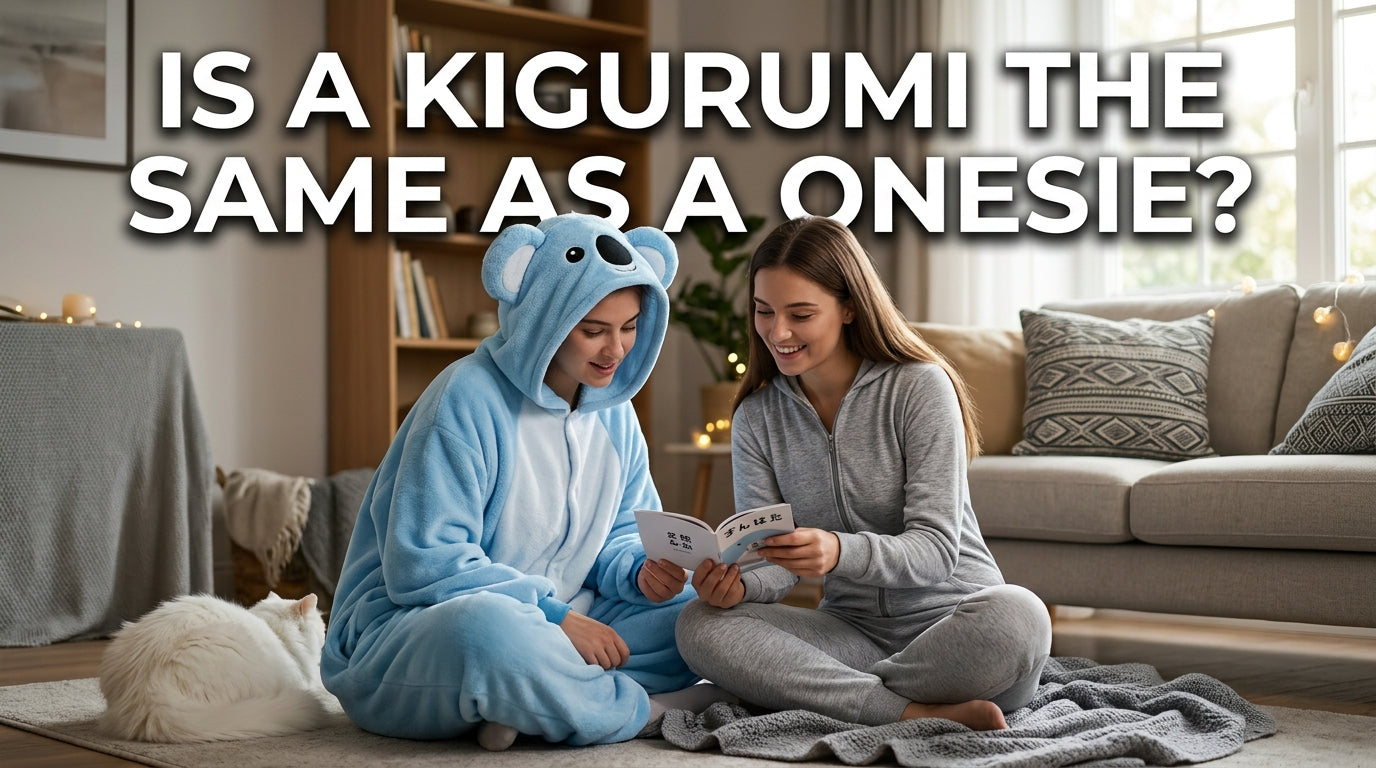
Adult onesies can range from plain, solid-colored pajama suits to animal-print designs. They’re broadly defined by their one-piece construction, not by any specific aesthetic or cultural origin. A plain grey zip-up jumpsuit worn for warmth counts as a onesie. So does a fleece bear costume with a hood.
The key distinction is that “onesie” is a category of garment, not a specific style. It’s a functional descriptor. Think of it like the word “sneaker” – it covers a wide range of shoes, from basic canvas trainers to high-performance running shoes.
🔍 Kigurumi vs Onesie: What Are the Real Differences?

Now that both terms are defined, here’s where things get interesting. A kigurumi is technically a type of onesie, but not all onesies are kigurumi. The differences come down to design intent, cultural context, and construction details.
| Feature | 🎌 Kigurumi | 🛋️ Generic Onesie |
|---|---|---|
| Origin | Japanese pop culture | Western loungewear |
| Design goal | Character transformation | Comfort and warmth |
| Hood style | Character head with ears/eyes | Plain or minimal hood |
| Details | Tails, paws, face features | Usually none or minimal |
| Fabric | Plush fleece (costume-grade) | Varies (cotton, fleece, polyester) |
| Typical use | Cosplay, festivals, lounging | Lounging, sleeping, casual wear |
| 💰 Price range | $40 – $120+ | $15 – $60 |
The most visible difference is the hood construction. A kigurumi hood is designed to look like an animal or character’s face, complete with embroidered or appliquéd eyes, a nose, and ears that stand up. A standard onesie hood, if it has one at all, is just a functional hood for warmth.
⚠️ Why the Terms Get Confused
The confusion is largely a marketing issue. Many Western retailers started selling kigurumi-style costumes under the label “animal onesie” or “onesie costume” because the word kigurumi was unfamiliar to non-Japanese audiences. Over time, the two terms became blurred in casual conversation.
You’ll also see terms like animal pajamas, cosplay onesie, plush jumpsuit, and character kigurumi used across different markets. They often describe the same product type, which adds to the confusion. The safe assumption: if it has a character hood with ears and a tail, it’s kigurumi-style, regardless of what the label says.
🧵 How Kigurumi Are Made Differently
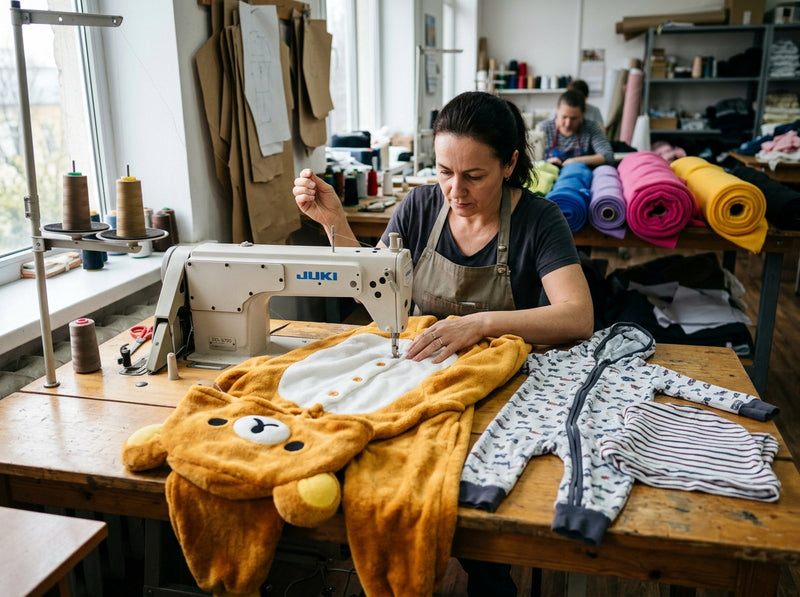
Construction quality is where kigurumi often stand apart from basic animal onesies. Authentic kigurumi, especially those from established Japanese brands or quality manufacturers, use anti-pill fleece or plush fabric that maintains its texture after repeated washing. The seams are reinforced to handle the stress of full-body movement.
The hood is the most labor-intensive part. Eyes and facial features are typically embroidered or made from separate fabric pieces that are carefully sewn and padded to hold their shape. Ears are often wire-supported or padded to stand upright rather than flopping flat like a basic hood.
If you’re wondering about care and maintenance, the fabric quality directly affects longevity. Proper care is important, and knowing how to wash a kigurumi correctly will keep the plush texture and embroidered details looking sharp for much longer.
Budget animal onesies, by contrast, often use thinner polyester fleece that pills quickly, and the facial features may be printed rather than embroidered, which fades after a few washes.
✅ Signs You’re Looking at a Quality Kigurumi
- Embroidered or appliquéd facial features (not printed)
- Anti-pill fleece or high-GSM plush fabric
- Padded or structured ears that hold their shape
- A sewn-in tail with proper attachment reinforcement
- YKK or equivalent quality zipper hardware
- Finished, non-fraying internal seams
🎭 When Does the Distinction Actually Matter?

For most casual buyers, the difference is mostly academic. If you want something warm, fun, and comfortable to wear around the house or to a Halloween party, either term gets you to the right product category. The distinction matters more in specific situations.
🎯 Cosplay and Convention Wear
In cosplay communities, kigurumi has a specific meaning. Wearing a kigurumi to an anime convention signals cultural awareness and intentionality. Calling it a “onesie” in that context might come across as unfamiliar with the source material. If you’re attending events like Anime Expo or Comic-Con, knowing the correct terminology shows respect for the culture the item comes from.
🛒 Shopping and Finding the Right Product
When searching online, the term you use affects your results. Searching “animal onesie” tends to surface cheaper, more basic options. Searching “kigurumi” typically returns more detailed, character-accurate designs with better construction. If you want the full aesthetic experience, including the character hood, tail, and plush fabric, searching specifically for kigurumi gives you more relevant results.
💰 Price Expectations
Understanding the difference also sets realistic price expectations. A well-made kigurumi costs between $50 and $100 for standard designs, and more for licensed character versions. If you see something marketed as a kigurumi for $12, the construction quality likely won’t match the name. Conversely, a plain adult onesie doesn’t need to cost $80 unless it has the design details that justify the price.
🌍 Cultural Context Worth Knowing

Kigurumi originated in Japan as a form of street fashion and performance costume. The term was first used to describe performers who dressed as mascot-style characters, similar to theme park character costumes. The wearable pajama version evolved from that tradition and became a global export through Japanese pop culture, anime, and the broader kawaii aesthetic movement.
This cultural background is part of why kigurumi enthusiasts care about the distinction. The garment carries meaning beyond its function as sleepwear. It’s connected to a specific visual language and community.
That said, kigurumi have been adopted worldwide and are now a mainstream product category in their own right. You don’t need to be a Japanese culture expert to wear or enjoy one. But knowing where the term comes from adds context that helps you shop smarter and appreciate what you’re wearing.
One practical consideration many buyers overlook: what you wear underneath affects comfort significantly. If you’re curious about layering options, the guide on what to wear under a kigurumi covers the best options for different temperatures and activities.
✅ Final Verdict: Same Category, Different Identity

A kigurumi and a onesie are not the same thing, though a kigurumi is a specific type of onesie. Think of it this way: all kigurumi are onesies, but most onesies are not kigurumi. The difference lies in design intent, cultural origin, construction quality, and aesthetic detail. If the garment has a character hood with ears, a tail, and plush fabric built to look like an animal or fictional creature, you’re looking at a kigurumi. If it’s a plain zip-up jumpsuit for warmth, it’s a onesie. Knowing which you actually want makes finding the right product much simpler.