Are There Kigurumi for Kids?
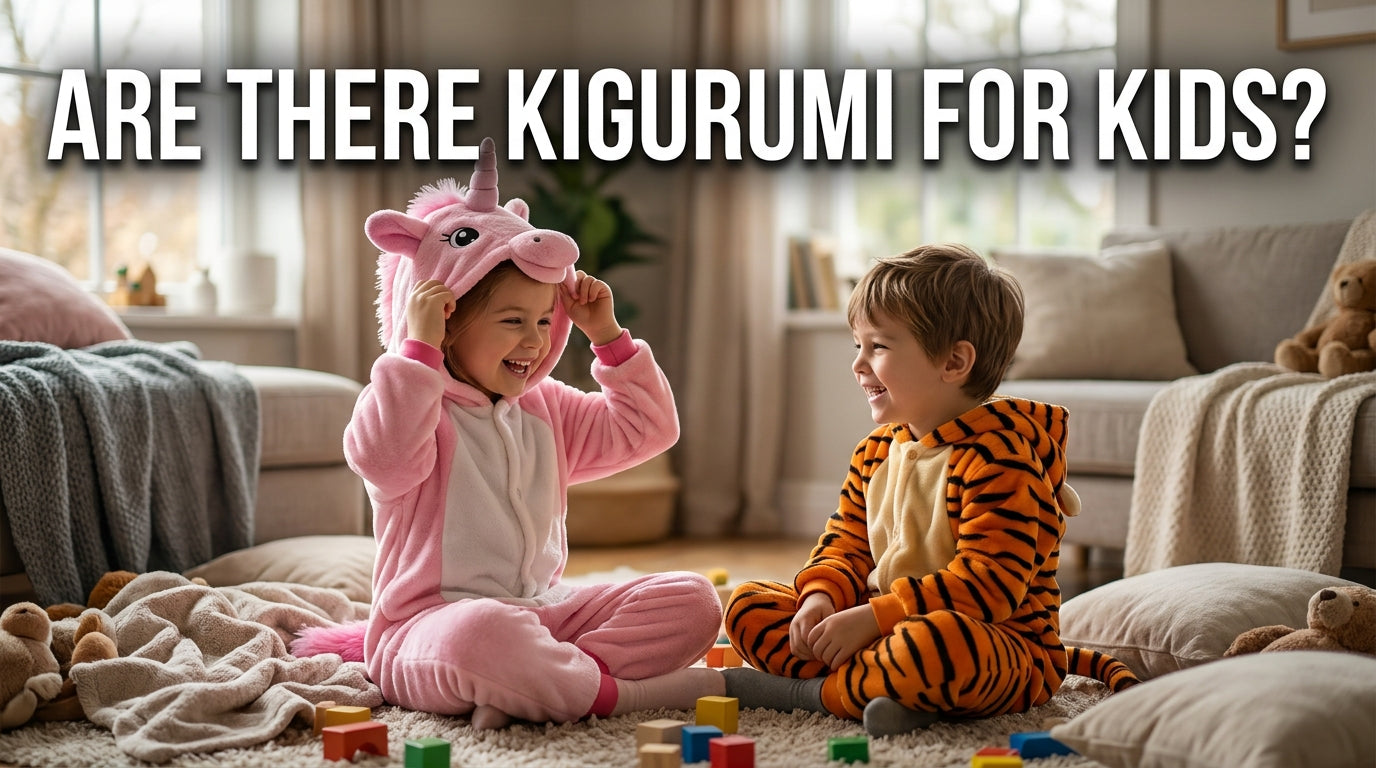
Yes, kigurumi absolutely come in kids’ sizes, and they’re wildly popular with younger wearers. From toddlers to tweens, children’s kigurumi offer the same cozy, character-driven fun as adult versions, just scaled down and often built with extra safety and comfort features in mind. Here’s everything parents need to know before buying.
🐾 What Are Kigurumi, and Why Do Kids Love Them?
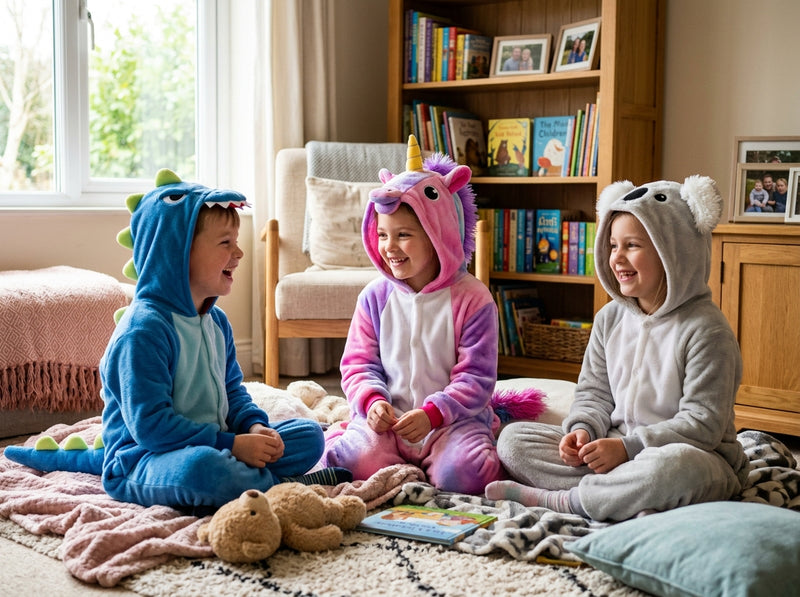
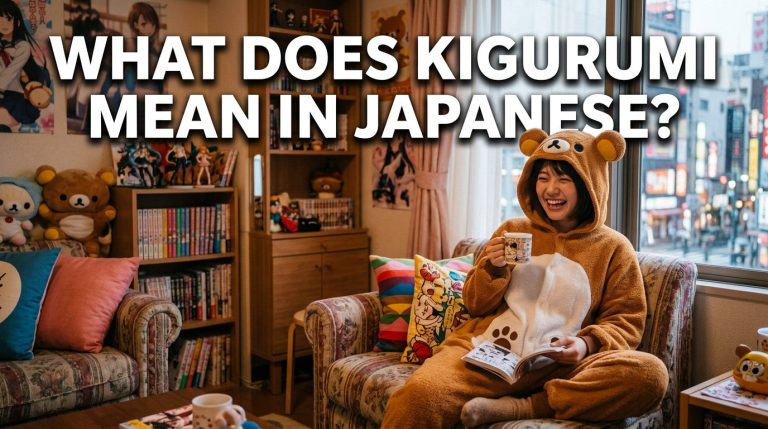
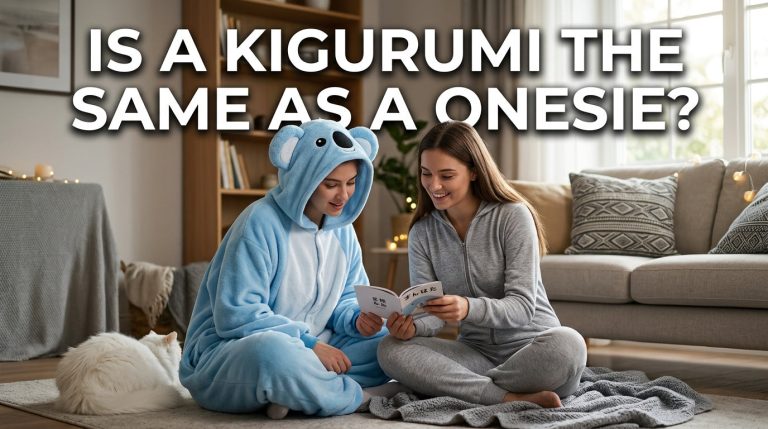
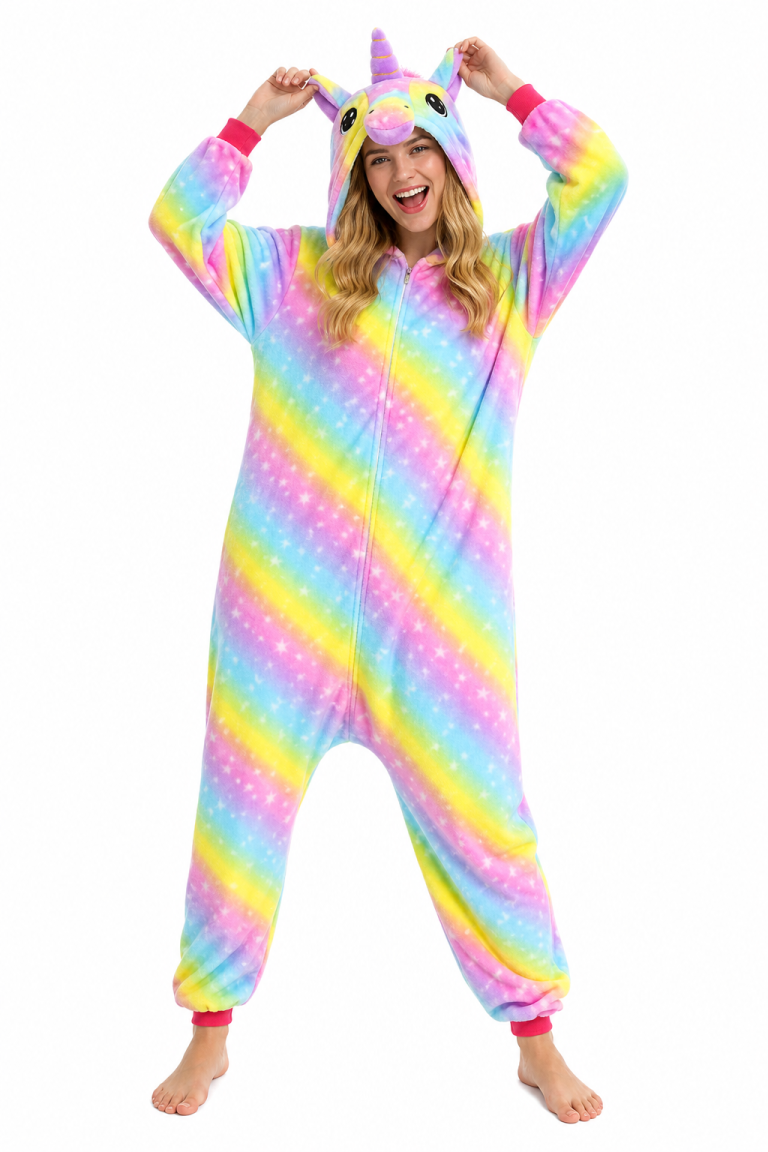
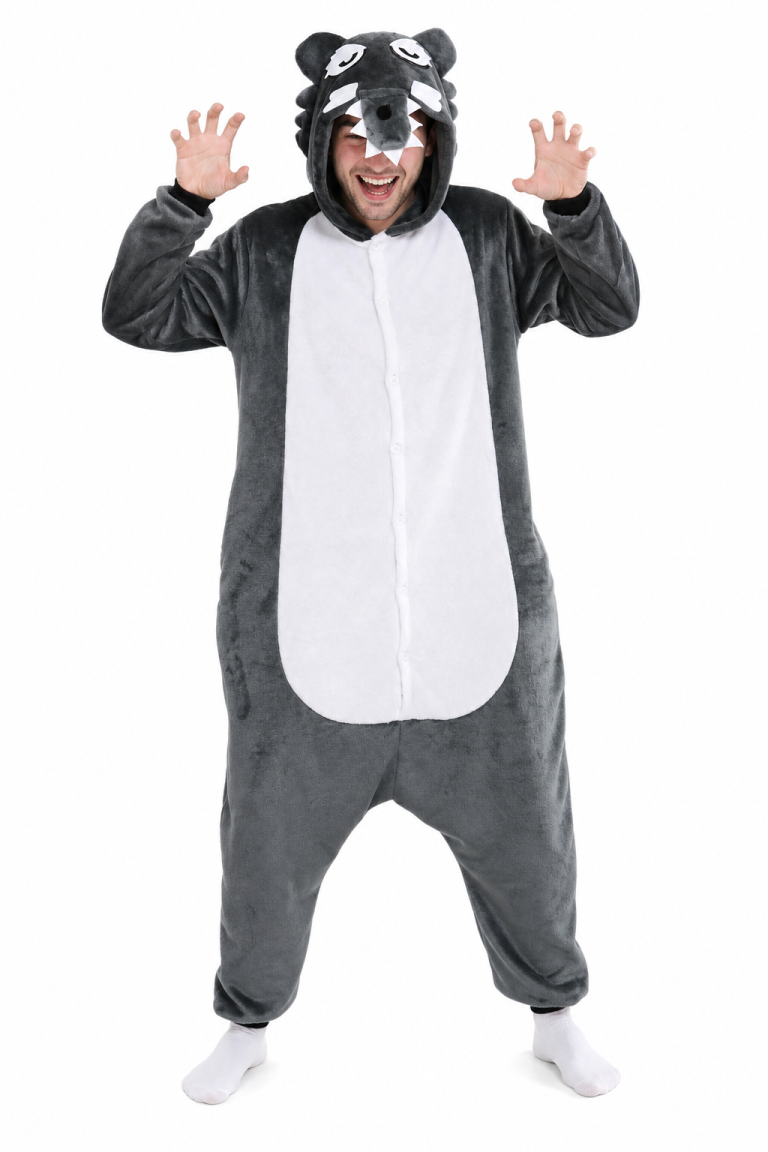
Kigurumi (着ぐるみ) are full-body animal or character onesies that originated in Japan. They cover the entire body, typically featuring a hood with ears, a front zipper, and integrated paw-style cuffs. Adults have worn them for years at anime conventions, festivals, and as loungewear, but kids have taken to them just as enthusiastically, if not more so.
Children are drawn to kigurumi for obvious reasons. The designs tap directly into their love of animals and fictional characters. A child who is obsessed with pandas, unicorns, or dinosaurs can essentially become that creature for a day. The novelty factor is high, and the comfort level is even higher.
- Soft fleece fabric feels like wearing a blanket
- Character hoods make them feel like costumes without being restrictive
- One-piece design means no mismatched pajama tops and bottoms
- Popular at sleepovers, Halloween, and holiday mornings
- Available in dozens of animal and fantasy character designs
👶 What Age Range Do Kids’ Kigurumi Cover?
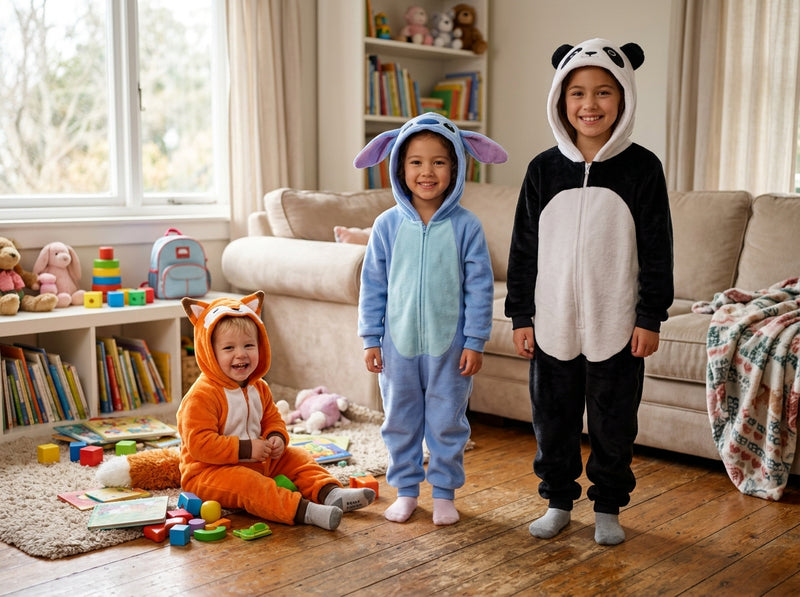
Children’s kigurumi sizing typically starts around age 2-3 (toddler size) and extends up through early teen years. Some brands offer sizing that bridges the gap between kids and adults, which is helpful for older children who are close to adult proportions.
Typical Kids’ Kigurumi Size Chart
| Age Range | Height (approx.) | Label |
|---|---|---|
| 2-3 years | 85-95 cm | Toddler / XS Kids |
| 4-6 years | 95-115 cm | Small Kids |
| 7-9 years | 115-135 cm | Medium Kids |
| 10-12 years | 135-150 cm | Large Kids |
| 12+ years | 150-160 cm | Teen / XS Adult |
Always measure your child’s height before ordering rather than relying on age alone. Children vary significantly in size, and a kigurumi that is too long creates a tripping hazard, while one that is too short will be uncomfortable and limit movement.
🧵 What to Look for in a Kids’ Kigurumi
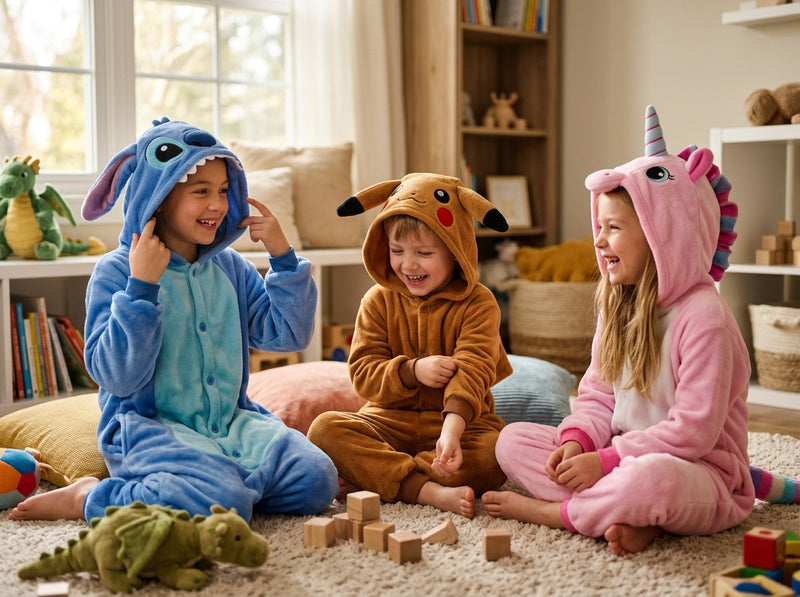
Not all kigurumi are made equally, and this matters more when buying for children. Quality, safety, and fit should all factor into your decision alongside design preferences.
✅ Fabric and Safety
The most common material is anti-pill polar fleece, which is soft, warm, and durable enough to handle regular washing. For children, it’s worth checking whether the fabric meets flammability standards for children’s sleepwear, particularly if the kigurumi will be used as pajamas.
Look for kigurumi that are labeled flame-resistant or snug-fitting if they’re intended for sleep. Loose-fitting garments made from untreated fabric may not meet safety requirements in certain regions. In the US, the Consumer Product Safety Commission (CPSC) has specific guidelines for children’s sleepwear.
✅ Zipper Placement and Quality
Most kigurumi use a front zipper that runs from the neck down to the waist or below. For younger children, check that the zipper has a safety tab or cover at the top to prevent accidental scratching or pinching. Metal YKK-style zippers tend to be more durable than cheap plastic alternatives and are worth the extra cost on a garment that will see heavy use.
✅ Hood Fit and Ear Attachment
The character hood is what makes a kigurumi recognizable, but it needs to fit properly. Hoods that are too large can slip over a child’s face, which is both uncomfortable and a potential safety concern for very young children. Ears and decorative elements should be firmly stitched, not glued, especially for toddlers who may pull at them.
🎨 Most Popular Kids’ Kigurumi Designs
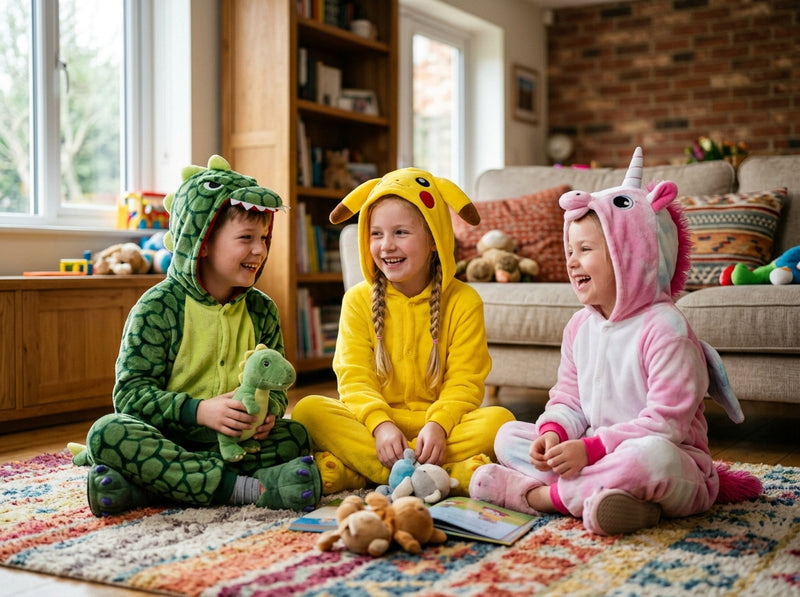
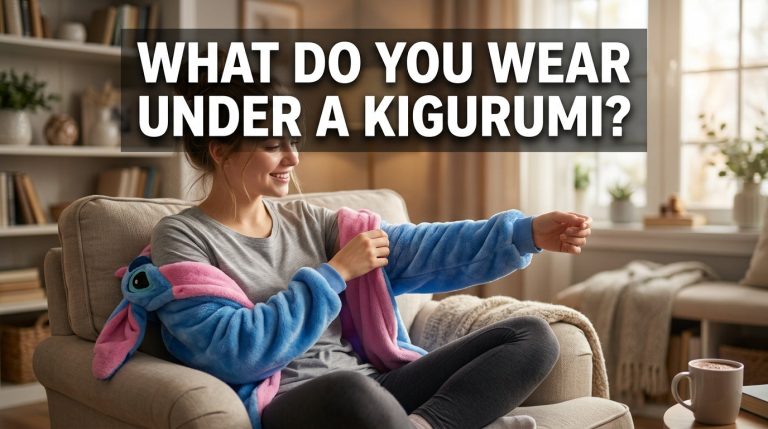
Design selection for children’s kigurumi is broad. Animal designs dominate, but fantasy and pop culture characters are also widely available. If you’re wondering what to look for in terms of comfort and layering, it helps to first understand what to wear under a kigurumi, since kids often need a base layer depending on the season and activity.
The most consistently popular designs for children include:
- 🐼 Panda – a classic that never goes out of style
- 🦄 Unicorn – especially popular with younger girls
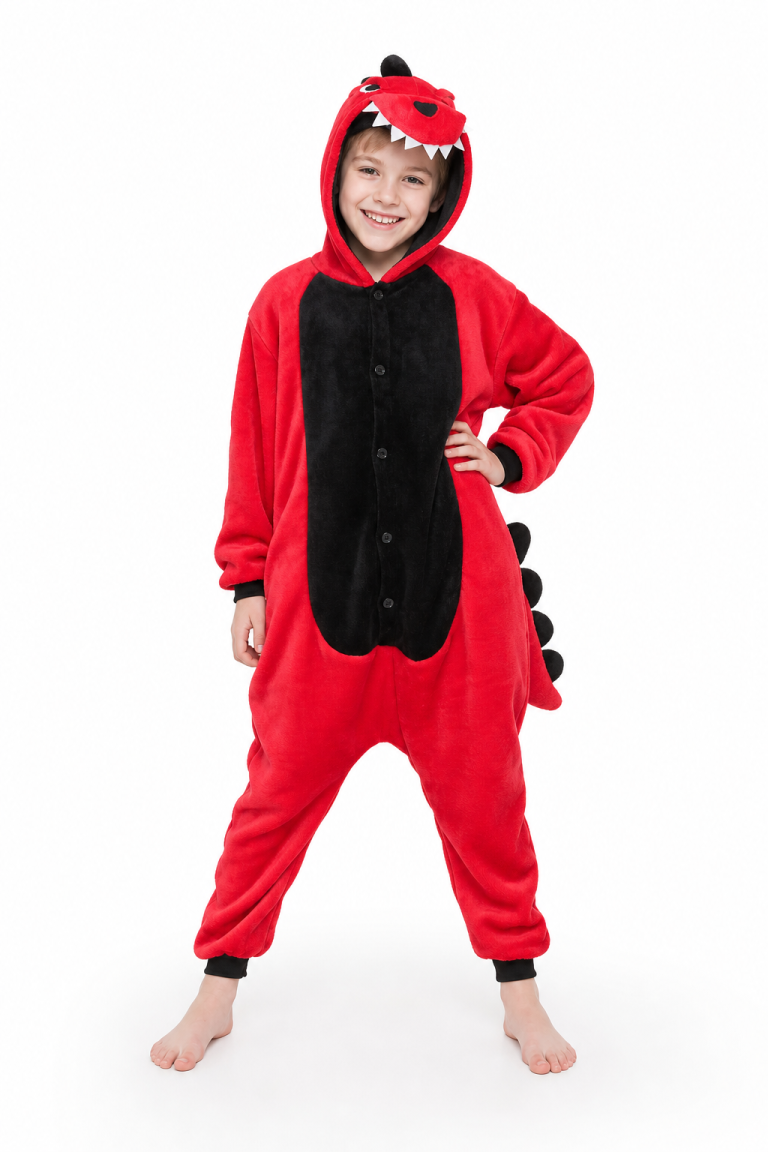
- 🦕 Dinosaur – a perennial favorite for boys and girls alike
- 🐱 Cat and bunny – simple, cute, and widely available
- 🦊 Fox – a trendy design with broad appeal
- 🐉 Dragon – popular with kids who love fantasy themes
Seasonal designs also sell well, particularly around Halloween when kigurumi serve double duty as costumes and comfortable loungewear. Pumpkin, ghost, and bat kigurumi are common seasonal offerings.
💰 How Much Do Kids’ Kigurumi Cost?
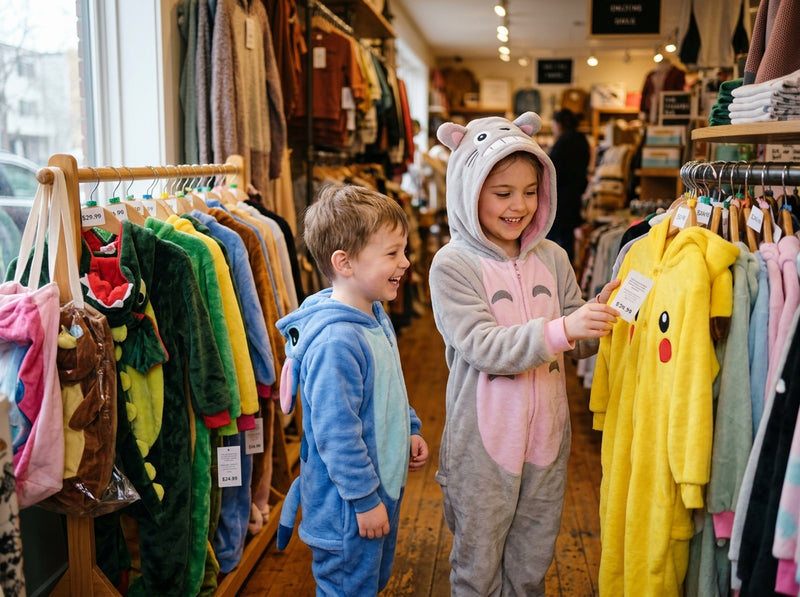
Price varies depending on brand, fabric quality, and where you buy. Budget options exist, but they often come with trade-offs in durability and fabric softness.
| Price Range | What to Expect | Best For |
|---|---|---|
| 💰 Under $20 | Thin fabric, limited sizing, basic designs | One-time costume use |
| 💰 $20-$40 | Mid-range quality, decent fleece, more size options | Occasional wear, gifts |
| 💰 $40-$70 | Quality fleece, better construction, wider design range | Regular pajama or loungewear use |
| 💰 $70+ | Premium materials, specialty brands, licensed designs | Enthusiast families, frequent use |
For most families, the $30-$50 range hits the right balance between quality and value. At this price point, you typically get a kigurumi that will survive repeated washing and regular wear without pilling excessively or losing its shape.
🛒 Tips for Buying Kids’ Kigurumi Online
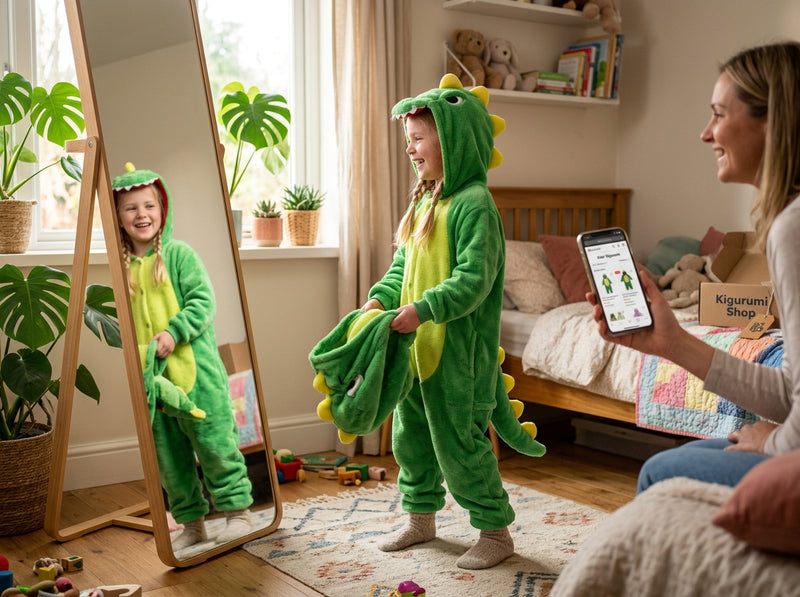
Buying kigurumi online is the most common route, but it requires a bit of due diligence to avoid sizing disappointments or quality letdowns.
⚠️ Sizing Tips
Always measure your child’s height in centimeters before ordering. Most reputable kigurumi brands use height as the primary sizing metric rather than age. If your child is between sizes, size up rather than down. A slightly longer kigurumi can be cuffed; one that is too short will be uncomfortable across the shoulders and difficult to zip.
⚠️ Fabric and Care Labels
Check that the product listing specifies the fabric content. 100% polyester anti-pill fleece is the standard for quality kigurumi. Avoid listings that are vague about materials or that describe the fabric only as “soft” without specifics. Machine washable construction is a practical necessity for kids’ garments.
⚠️ Return and Exchange Policies
Even with careful measurement, sizing can be tricky. Buy from retailers that offer straightforward exchanges, especially for children’s sizing where fit is less predictable. This is particularly important for gifts where you may not have exact measurements available.
If you’re thinking beyond home use, it’s also worth reading about whether you can wear a kigurumi in public, since many kids want to wear theirs to events, conventions, or even casual outings, and knowing what to expect helps you plan accordingly.
🎉 When Do Kids Wear Kigurumi?
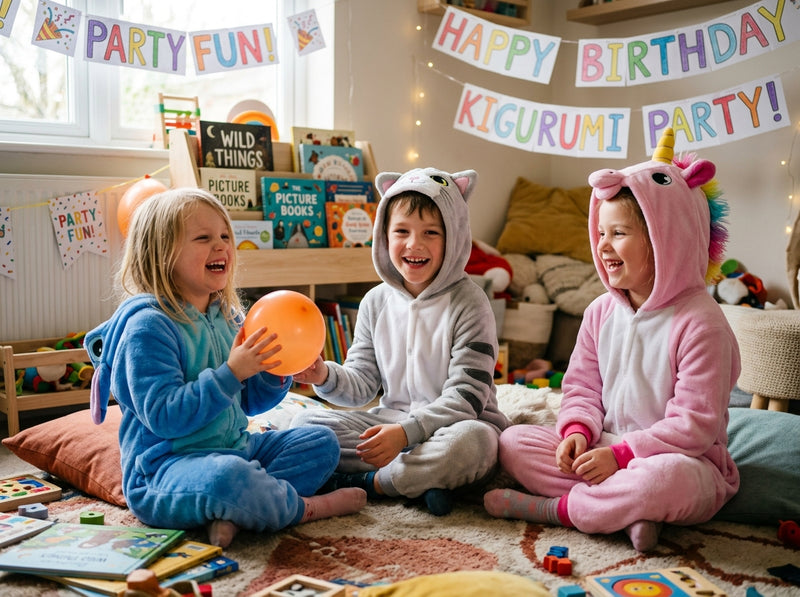
Children’s kigurumi are versatile enough to work across several different occasions. Understanding the range of use cases helps you decide whether the purchase makes sense for your family.
- Pajamas and loungewear – the most common everyday use
- Halloween costumes – comfortable, warm, and recognizable
- Sleepovers and pajama parties – a major hit with groups of kids
- Anime and pop culture conventions – even kids attend these events
- Holiday mornings – Christmas and other holidays where cozy matching outfits are popular
- Family kigurumi sets – some families buy matching designs for group photos or events
The multi-use nature of kigurumi makes them a better value than single-purpose costumes. A child who wears their kigurumi as pajamas three nights a week gets far more use out of it than a Halloween costume worn once.
Final Thoughts
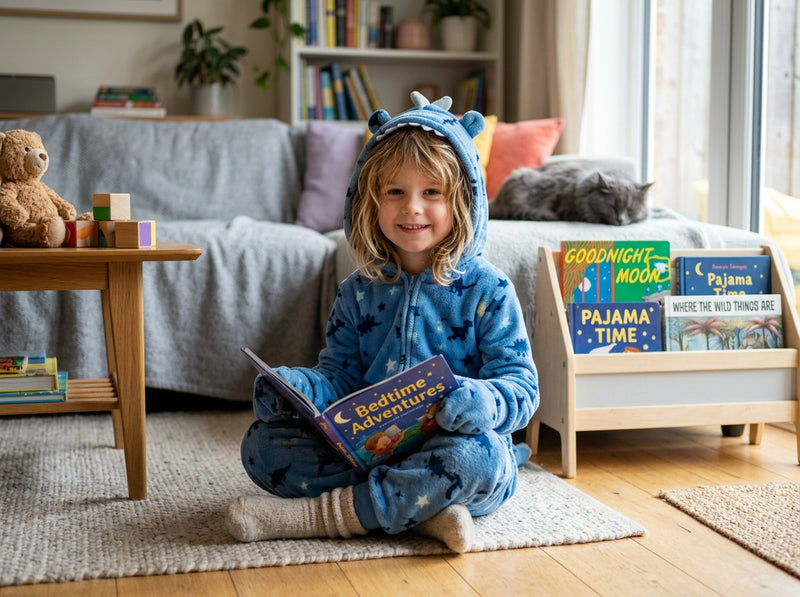
Kids’ kigurumi are widely available, genuinely fun, and practical enough for regular use as pajamas or loungewear. The key is buying the right size based on your child’s height, choosing a fabric quality that matches how often it will be worn, and picking a design your child actually loves. When those three things align, a kigurumi becomes one of those purchases kids ask for year after year. Measure carefully, read the care label, and let your child pick the creature they want to become.