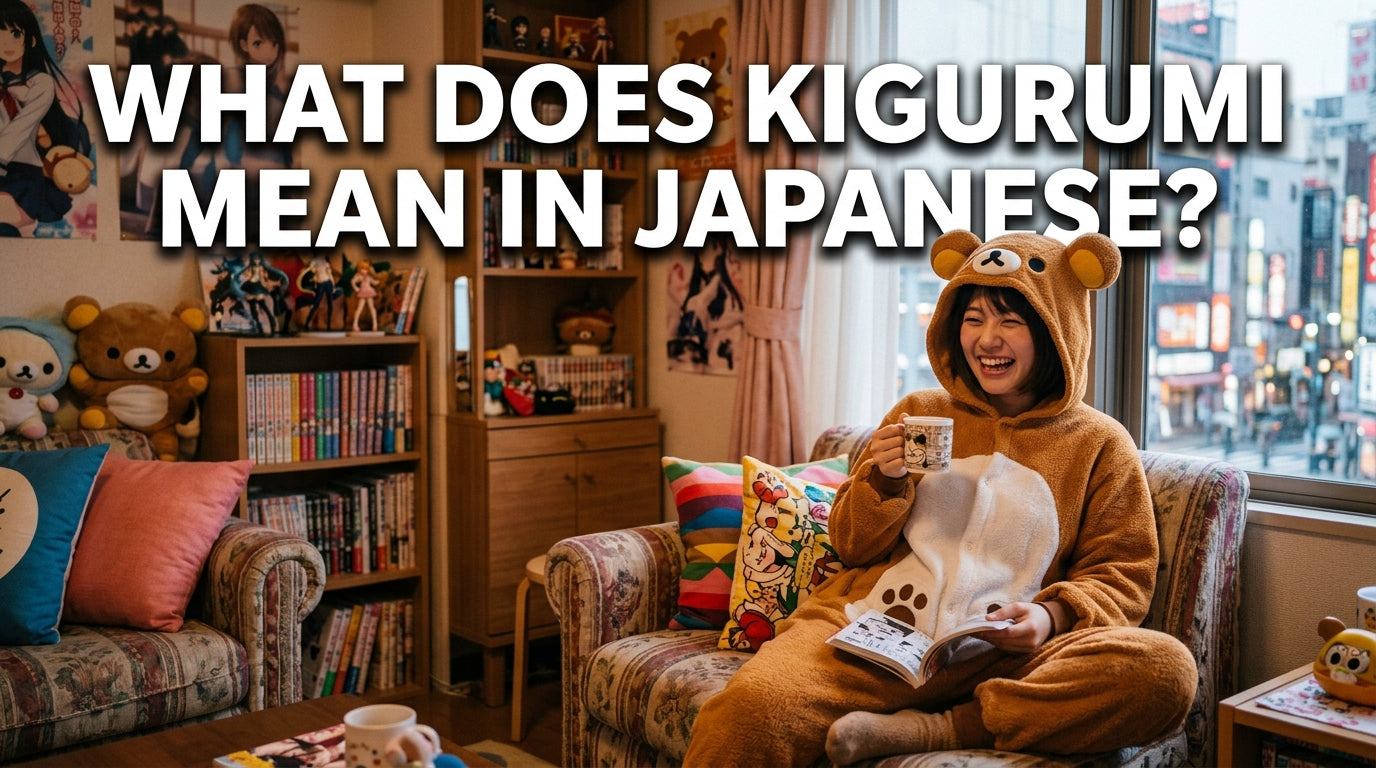
What Does Kigurumi Mean in Japanese?
If you’ve stumbled across the word kigurumi while browsing costume shops or anime content, you might be wondering what it actually means. The term comes directly from Japanese and carries a specific cultural meaning that goes beyond simple pajamas or costumes. Here’s a clear breakdown of the word, its origins, and what it represents today.
🇯🇵 The Literal Japanese Meaning of Kigurumi
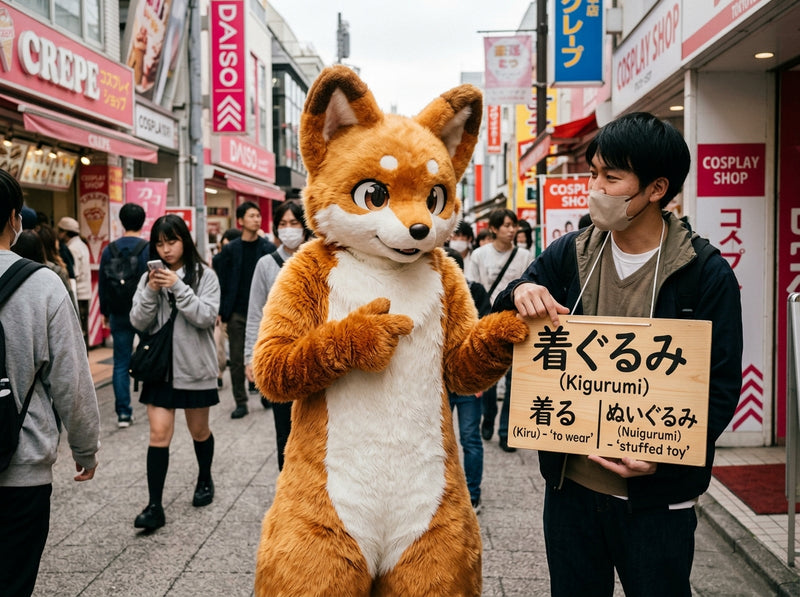
The word kigurumi (着ぐるみ) is a compound Japanese term made up of two parts: kiru (着る), meaning “to wear” or “to put on,” and nuigurumi (ぬいぐるみ), meaning “stuffed animal” or “plush toy.” Combined, the word essentially translates to “wearable stuffed animal” or “a plush you can wear.”
This etymology tells you a lot about what the garment is meant to be. It’s not just a costume in the theatrical sense. It’s designed to transform the wearer into a soft, cuddly, toy-like version of a character or animal. The name itself captures the concept perfectly.
In Japanese writing, the word appears as 着ぐるみ in hiragana-kanji mixed script, and it’s sometimes written entirely in hiragana as きぐるみ. Both forms are widely recognized in Japan.
🎭 How Kigurumi Is Used in Japan vs. the West
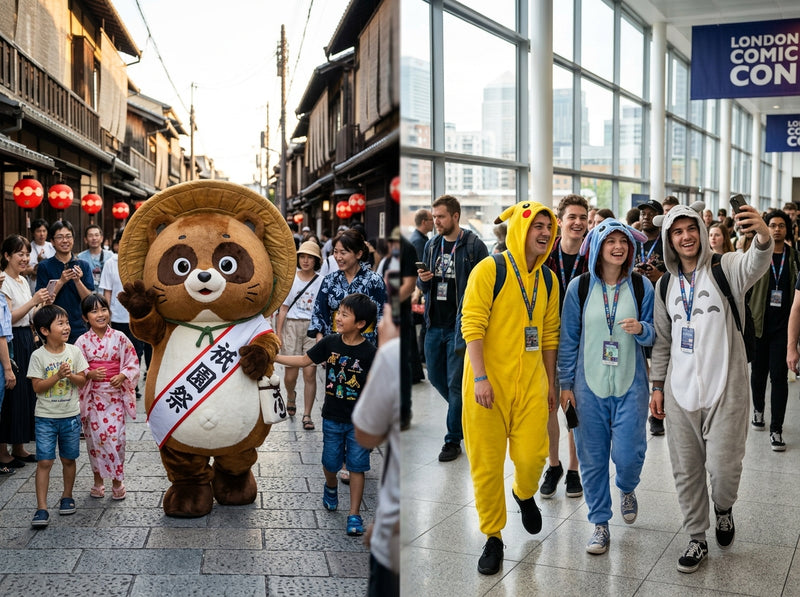
In Japan, kigurumi originally referred to full-body mascot suits, the kind worn by performers at theme parks, sporting events, and television shows. These were large, padded costumes that completely covered the wearer, often featuring oversized character heads. Think of the mascot suits you’d see at a baseball game or a children’s entertainment show.
Over time, the term evolved. A lighter, wearable version emerged, closer to a one-piece fleece pajama shaped like an animal or character. This version became popular in Japanese youth culture, particularly in the early 2000s, and eventually spread globally through anime fandom and pop culture.
Traditional Mascot Kigurumi
The original mascot-style kigurumi are professional-grade suits. They feature rigid or semi-rigid heads, padded bodies, and are typically custom-made for brands, sports teams, or entertainment productions. These are not retail consumer products. They require skilled performers to operate them safely.
Wearable Kigurumi (The Modern Version)
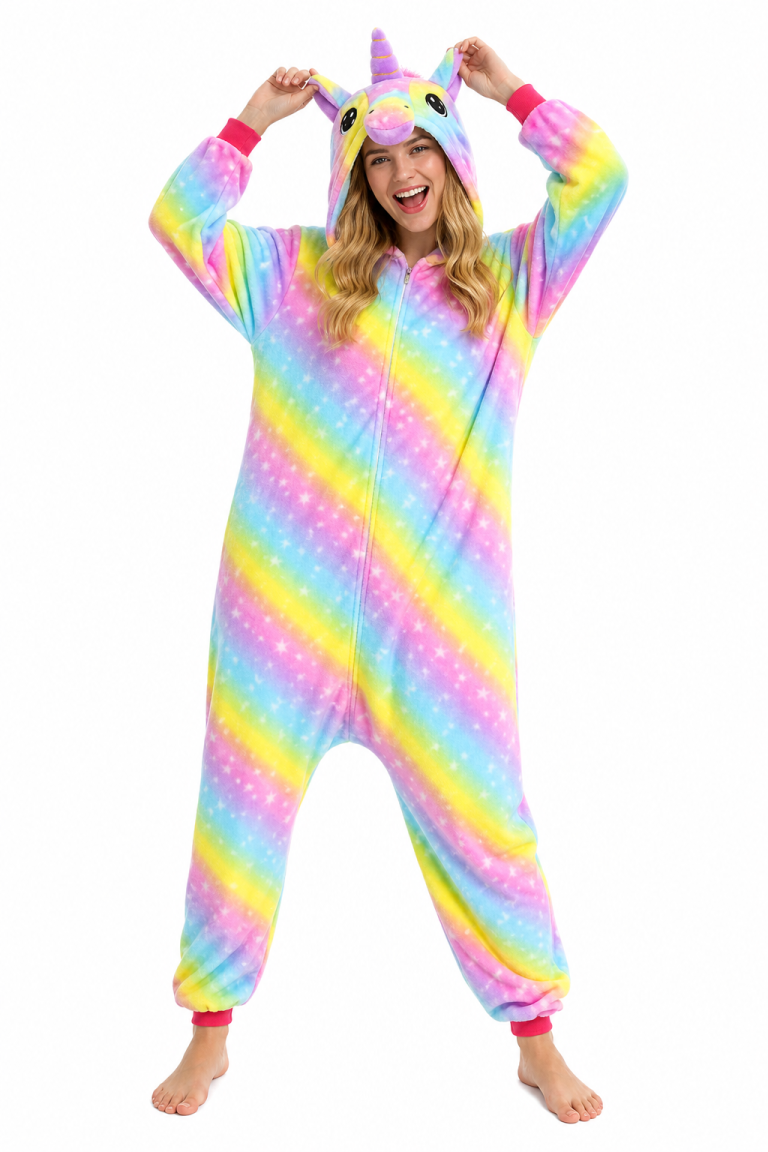
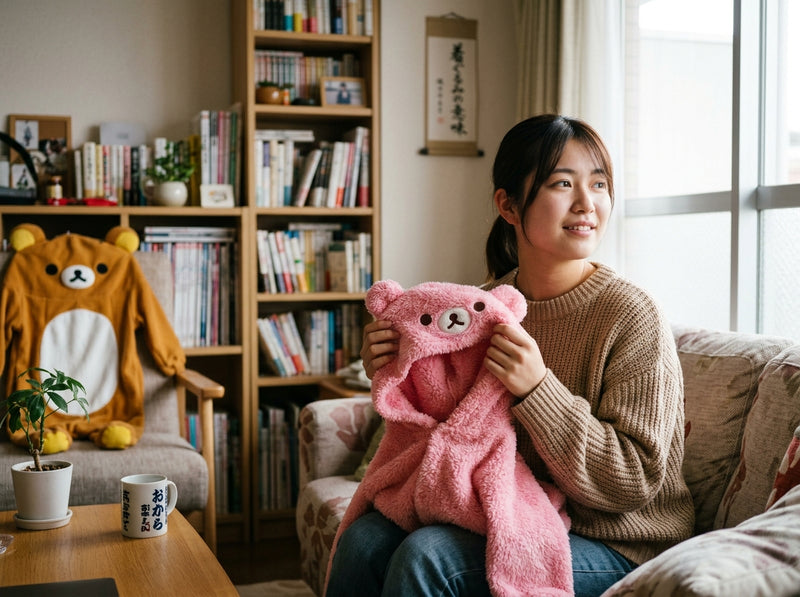
The modern consumer version is what most people outside Japan think of when they hear the word. These are soft, hooded onesie-style garments made from materials like fleece, polar fleece, or plush fabric. They come in animal shapes (pandas, cats, wolves, bears) and character designs from anime, gaming, and pop culture. They’re worn as loungewear, festival costumes, and sleepwear.
| Feature | 🎪 Mascot Kigurumi | 🐼 Wearable Kigurumi |
|---|---|---|
| Purpose | Professional performance | Casual wear, costume, loungewear |
| Construction | Rigid head, padded body | Soft fleece, attached hood |
| Price Range | 💰 $500 – $5,000+ | 💰 $30 – $120 |
| Who Wears It | Trained performers | Anyone, all ages |
| Availability | Custom order only | Retail, online stores |
📖 Kigurumi vs. Similar Terms You Might Confuse
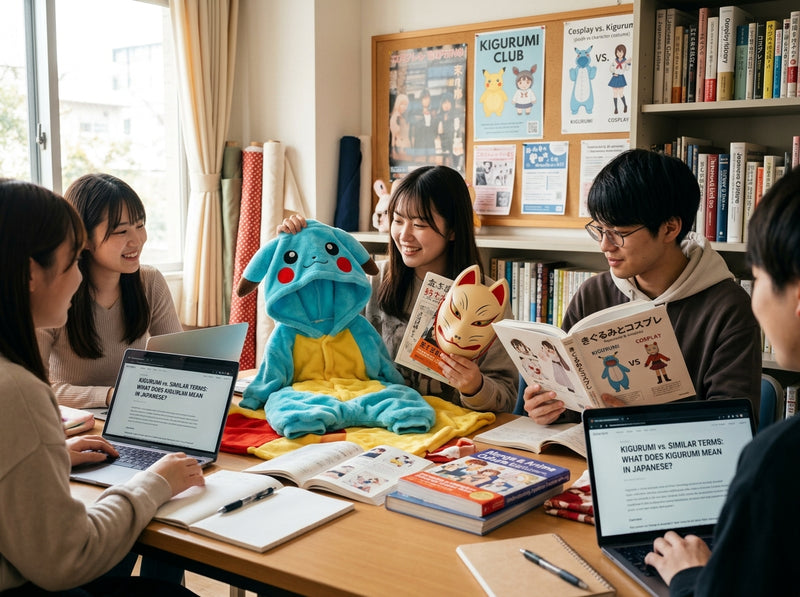
Several related words often get mixed up with kigurumi. Understanding the differences helps clarify what the term actually covers and what it doesn’t.
Kigurumi vs. Cosplay
Cosplay (コスプレ) refers to costume play, where someone dresses as a specific character, usually from anime, manga, games, or film. Kigurumi can be a form of cosplay if it features a specific character, but cosplay is a much broader category. Not all kigurumi are cosplay, and not all cosplay involves kigurumi.
Kigurumi vs. Onesie
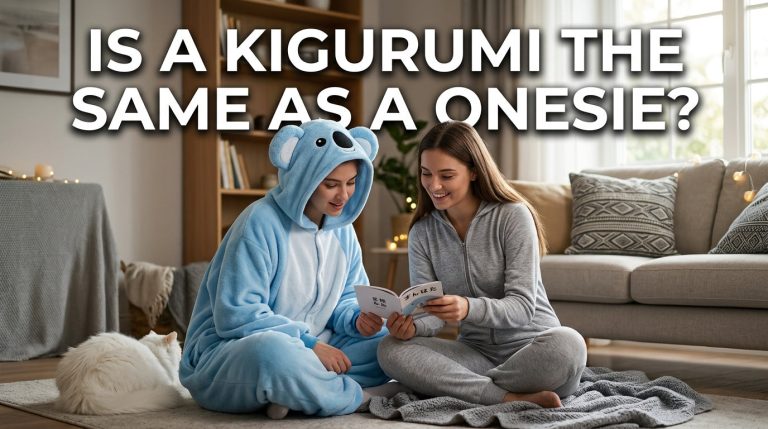
In Western markets, the word “onesie” is often used interchangeably with kigurumi. However, a standard onesie is simply a one-piece garment, originally referring to infant bodysuits. Kigurumi onesies are a specific subcategory: one-piece garments designed to look like animals or characters, with hoods shaped like the creature’s head. The cultural origin and design intent are distinct.
Kigurumi vs. Fursuit
A fursuit is a full-body animal costume associated with the furry fandom. While there’s some visual overlap, fursuits are typically custom-made, more elaborate, and more expensive. Kigurumi are mass-produced, simpler in construction, and not specifically tied to furry culture. They serve different communities and purposes.
🌸 Kigurumi in Japanese Pop Culture and Subcultures
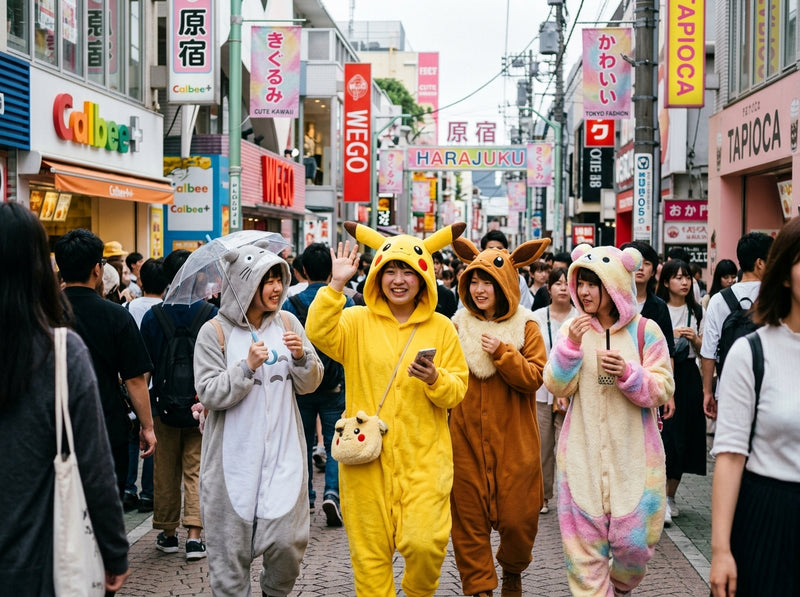
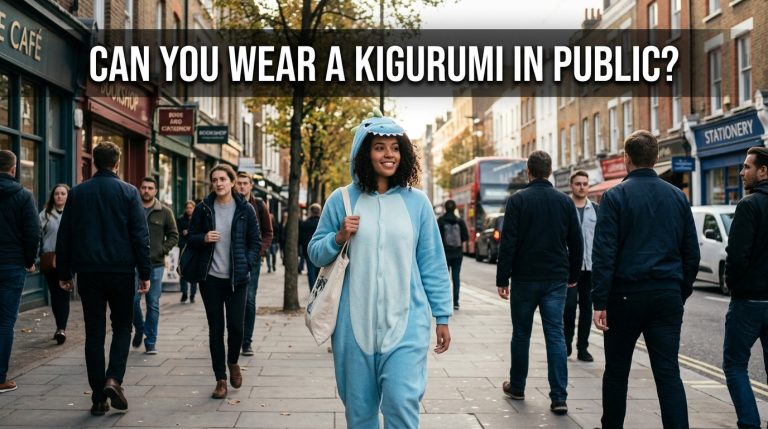
Kigurumi has deep roots in Japanese pop culture. The garments became closely associated with the Harajuku fashion scene in Tokyo, where youth subcultures embrace bold, playful, and non-conformist styles. Wearing a kigurumi in public, especially around Harajuku’s Takeshita Street, became a statement of personality and creative expression.
They also became popular at Japanese music festivals, particularly those tied to electronic music and anime conventions. The combination of comfort and visual impact made them practical for long outdoor events while still being eye-catching.
If you’re curious about sharing this experience with someone, it’s worth knowing that matching kigurumi for two people is a popular concept in Japan, often worn by couples or close friends as a form of coordinated self-expression.
Kigurumi in Anime and Manga
Anime and manga have featured kigurumi as character elements for decades. Characters wearing animal-shaped pajamas in slice-of-life or comedy series helped normalize the garment as everyday casual wear in the Japanese cultural imagination. This media exposure directly contributed to international interest in the product.
The Role of SAZAC
SAZAC, a Japanese company founded in the 1980s, is widely credited with popularizing the modern wearable kigurumi. They developed and mass-produced the animal onesie format that eventually became a global trend. Their designs set the standard for what most people now recognize as a kigurumi. You can learn more about the brand through various Japanese fashion archives and retail histories.
🐻 What Animals and Characters Are Common in Kigurumi Design?
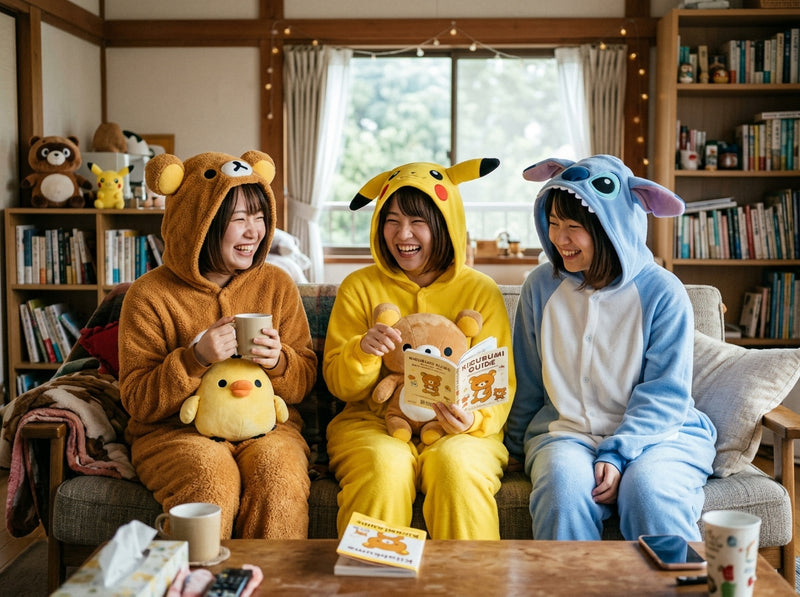
The range of kigurumi designs is broad, but certain categories consistently dominate the market. The most popular designs tend to be animals that carry specific cultural associations in Japan, where certain creatures hold symbolic or cute (kawaii) appeal.
- Pandas – associated with softness and cuteness, one of the most iconic kigurumi designs globally
- Cats and foxes – deeply embedded in Japanese folklore and pop culture
- Bears and wolves – popular for their cozy, warm aesthetic
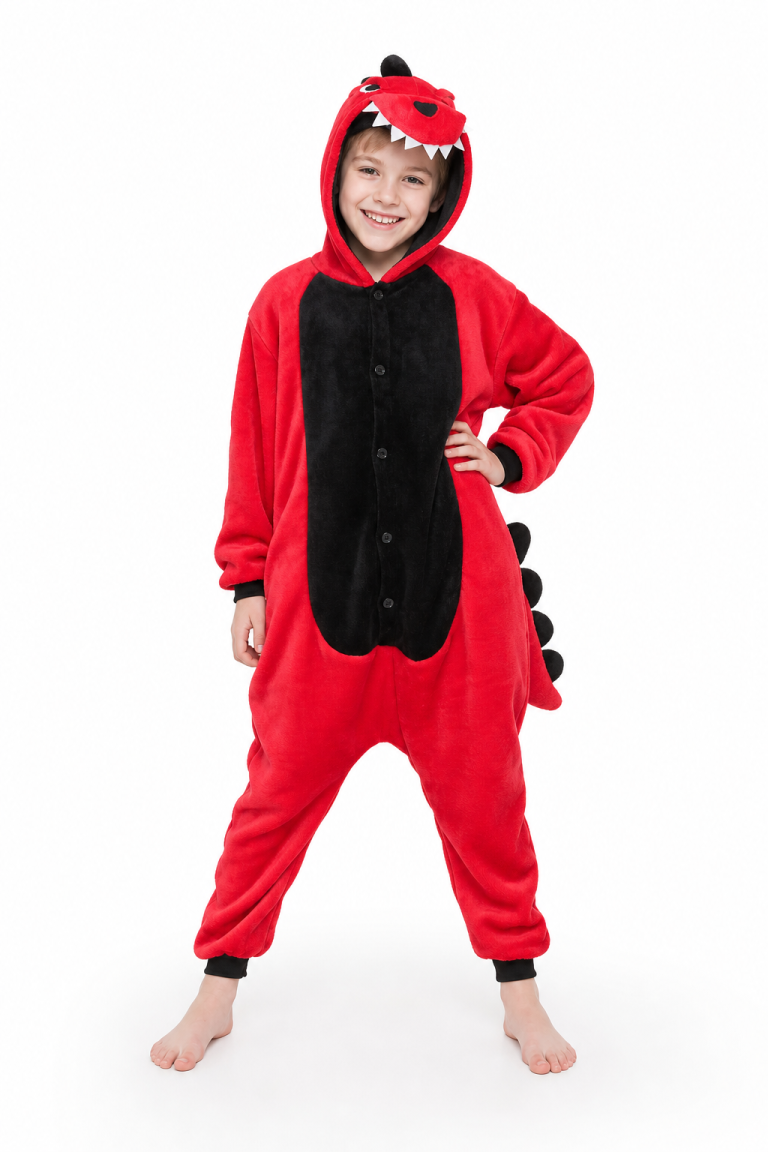
- Dinosaurs and dragons – favored for a more playful, bold look
- Anime characters – licensed designs from major franchises like Pikachu or Totoro
- Seasonal designs – pumpkins, reindeer, and holiday-themed options for festivals
The kawaii aesthetic (可愛い, meaning “cute”) is central to kigurumi design philosophy. The hood ears, paw-shaped pockets, and tail details all serve to emphasize a soft, non-threatening, childlike visual appeal that is deeply valued in Japanese consumer culture.
🌍 How the Word Kigurumi Entered Global Vocabulary
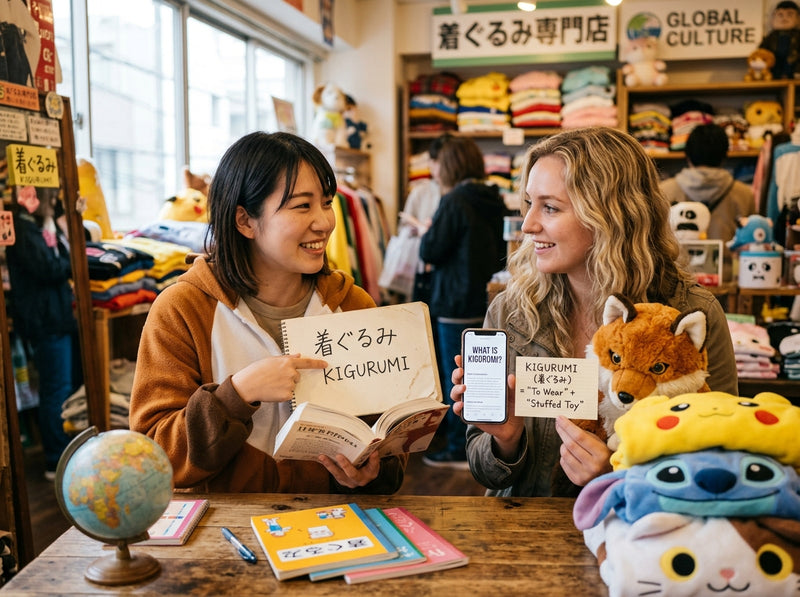
The word kigurumi entered English-language usage primarily through anime fandom and internet culture in the early 2000s. As Japanese pop culture spread through online communities, the specific term followed. Today it appears in fashion blogs, retail product listings, and festival guides worldwide, largely without translation because no single English word captures the same concept.
Some retailers use “animal onesie,” “character pajamas,” or “costume onesie” as alternatives, but kigurumi has become the most recognized term among enthusiasts. It functions as a loanword in English, much like “anime,” “manga,” or “ramen,” words that entered global usage because the concept they describe originated in Japan.
The cultural spread of kigurumi also reflects a broader global interest in Japanese street fashion and the reasons people wear kigurumi go well beyond simple costume use, touching on comfort, community, and self-expression in ways that resonate across cultures.
According to Wikipedia’s entry on kigurumi, the term is now recognized internationally and covers both the mascot performance tradition and the modern wearable garment category.
✅ Quick Summary: What Kigurumi Means
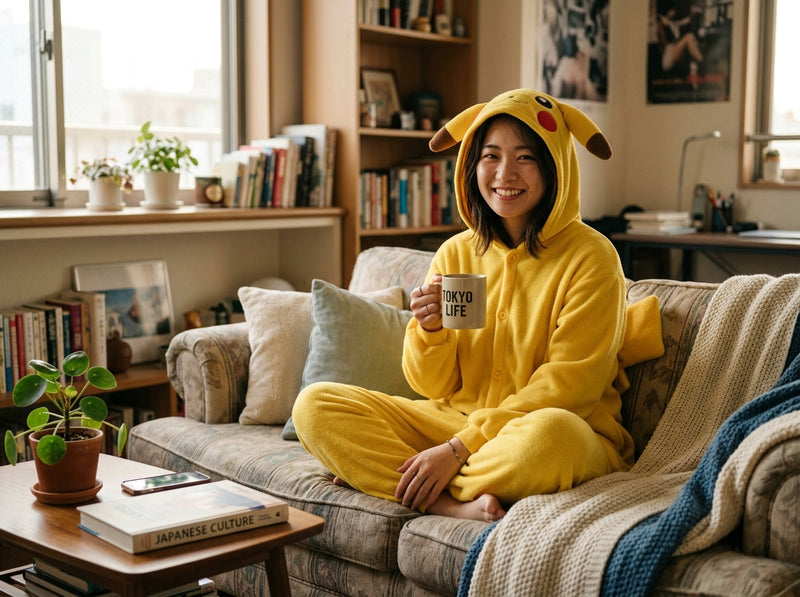
- Literal meaning: “Wearable stuffed animal” from the Japanese words for “to wear” and “plush toy”
- Original use: Full-body mascot suits for professional performers in Japan
- Modern use: Soft, hooded animal or character onesies for casual wear and costumes
- Cultural roots: Japanese pop culture, Harajuku fashion, anime fandom
- Global status: An adopted loanword used internationally in fashion and costume contexts
Final Thoughts
Kigurumi is more than a quirky costume trend. The word itself reflects a uniquely Japanese way of thinking about clothing, play, and self-expression. Whether you’re drawn to the cultural history, the kawaii aesthetic, or simply the comfort of wearing a giant plush panda, understanding the meaning behind the word adds real depth to the experience. It’s a small piece of Japanese language that carries a lot of personality with it.