
What Sizes Do Kigurumi Come In?
Kigurumi onesies come in a surprisingly wide range of sizes, but figuring out which one fits you can be confusing. Sizing varies by brand, style, and body type. This guide breaks down everything you need to know to get the right fit the first time.
🎯 Standard Kigurumi Size Ranges Explained
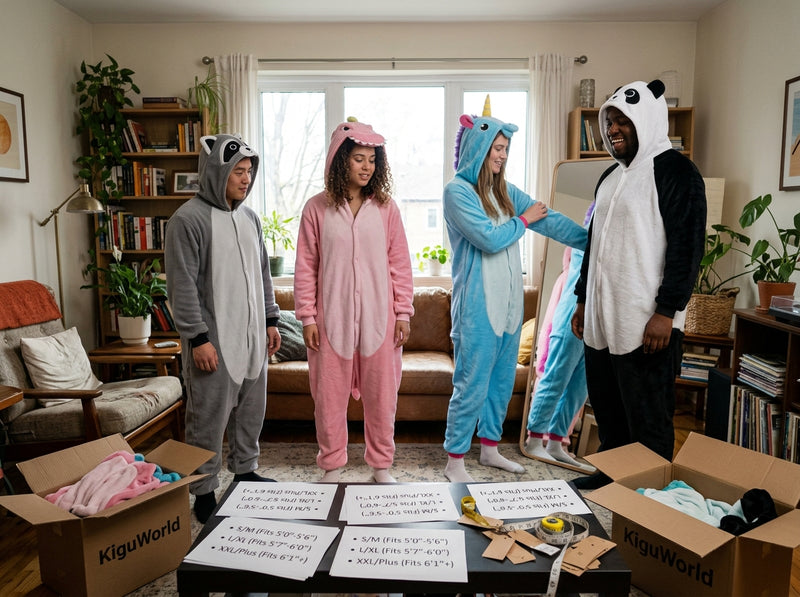
Most kigurumi manufacturers offer sizes that span from children’s small to adult extra-large or even XXL. Unlike regular clothing, kigurumi sizing tends to run large by design, since the loose, baggy fit is part of the appeal. Understanding the base size structure is the first step to finding your perfect animal onesie.
The most common size categories you will encounter across reputable brands include:
- Children’s sizes: typically labeled S, M, or L for kids, covering heights from around 90 cm to 140 cm
- Teen/Youth sizes: often bridging the gap between kids and adults, suited for heights around 140 cm to 155 cm
- Adult S/M: generally fits heights from 155 cm to 170 cm with average body weight
- Adult L/XL: designed for heights from 170 cm to 185 cm or larger builds
- Adult XXL or Plus Size: available from select brands, accommodating heights above 185 cm or fuller figures
- One-size-fits-most: a common option that targets the 155 cm to 175 cm range
It is worth noting that “one size fits all” is a marketing shortcut, not a guarantee. Always check the actual measurements listed on the product page rather than relying on the size label alone.
📏 How to Measure Yourself for a Kigurumi
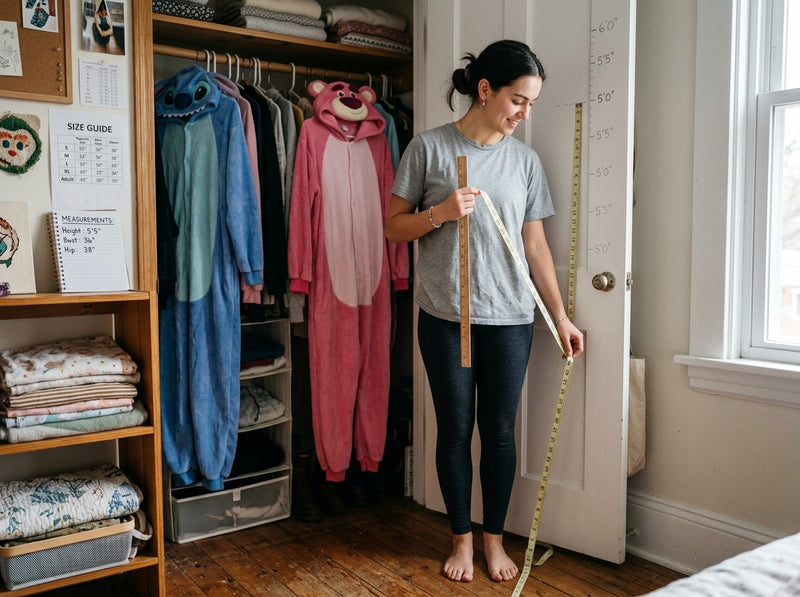
Getting accurate body measurements before ordering is the single most effective way to avoid a return. Kigurumi fit differently from jeans or a t-shirt, so standard clothing size alone will not always translate correctly.
Key Measurements to Take
Focus on three primary measurements: height, chest circumference, and weight. Height is arguably the most important factor because kigurumi are cut to a specific body length. A suit that is too short will pull at the shoulders and restrict movement significantly.
Chest measurement helps determine how roomy the torso area will feel. Weight is used by many brands as a secondary reference point, especially for their one-size or plus-size categories.
Where to Measure
Use a soft measuring tape for accuracy. Measure your height without shoes on a flat surface. For chest, wrap the tape around the fullest part of your chest, keeping it parallel to the ground. For hips, measure around the widest point. Some brands also request inseam or torso length for taller customers, so keep those handy too.
📊 Kigurumi Size Chart: General Reference Guide
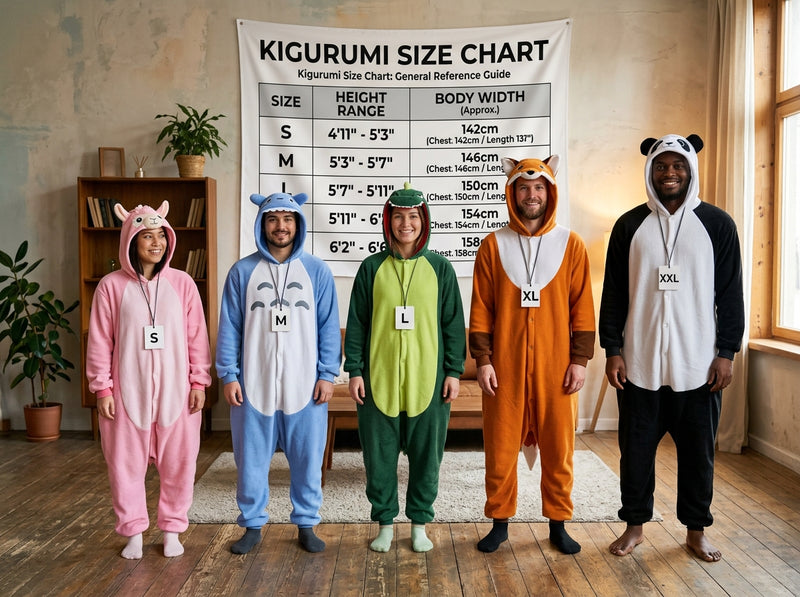
Below is a general size reference table based on common industry standards. Individual brands may differ, so always cross-check with the specific brand’s chart before purchasing.
| Size Label | Height Range | Weight Range | Best For |
|---|---|---|---|
| Kids S | 90 – 110 cm | 15 – 22 kg | 👶 Toddlers |
| Kids M | 110 – 125 cm | 22 – 32 kg | 🧒 Young children |
| Kids L | 125 – 140 cm | 32 – 45 kg | 🧒 Older children |
| Adult S/M | 155 – 170 cm | 45 – 65 kg | 👤 Petite to average adults |
| Adult L/XL | 170 – 185 cm | 65 – 90 kg | 👤 Average to tall adults |
| Adult XXL / Plus | 185 cm+ | 90 kg+ | 👤 Tall or plus-size adults |
These ranges are approximate. If your measurements fall between two sizes, most experts recommend sizing up rather than down. A slightly oversized kigurumi is comfortable and moveable; one that is too small will feel restrictive and may stress the seams.
⚠️ Common Sizing Mistakes and How to Avoid Them
Even experienced shoppers make sizing errors with kigurumi. Knowing the common pitfalls saves you the hassle of exchanges and disappointment, especially when ordering online or as a gift.
Relying Only on Your Regular Clothing Size
Your typical clothing size is not a reliable guide for kigurumi. Someone who wears a medium t-shirt might need a large kigurumi simply because of their height or torso length. Always use the brand’s specific size chart, not a generic S/M/L assumption.
Ignoring the Height Dimension
Height is the most overlooked measurement when buying animal onesies. If a kigurumi is cut for someone 165 cm and you are 180 cm, the suit will be noticeably short in the legs and arms, regardless of how the chest fits. Prioritize height compatibility above all other measurements.
Buying for Children Without Accounting for Growth
Kids grow fast. If you are buying a kigurumi as a gift for a child, consider sizing up by one level to allow for growth. The relaxed fit of most kigurumi styles means a slightly larger size still looks and feels intentional rather than sloppy.
If you want to explore the full range of styles and sizes available, you can visit our homepage for a complete collection organized by size category and character design.
🌍 Sizing Differences Between Japanese and Western Brands
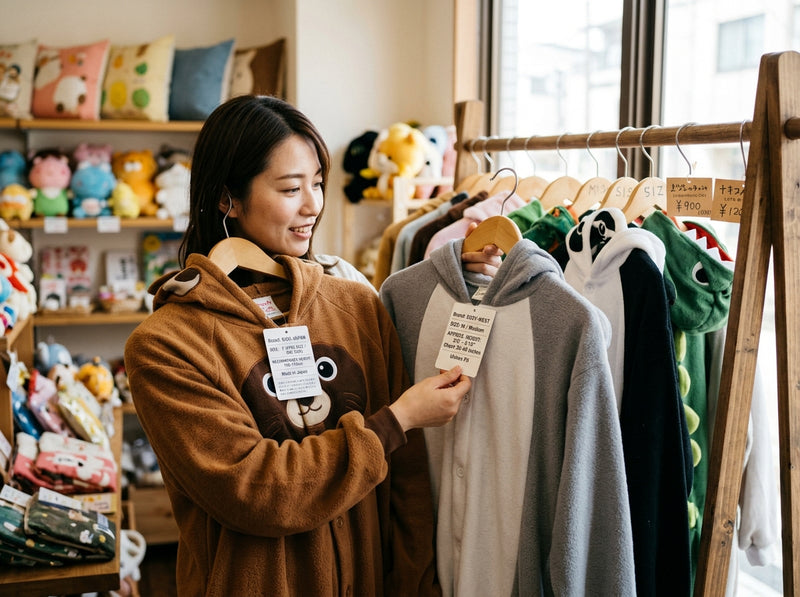
This is one of the most important distinctions to understand. Japanese kigurumi brands tend to size smaller than their Western counterparts. A Japanese adult “free size” or one-size-fits-most product is often designed for heights between 155 cm and 170 cm, which excludes a large portion of Western adult customers.
Western-market brands have adapted their sizing to reflect broader height and weight ranges, often offering true XL and XXL options. If you are purchasing directly from a Japanese retailer or marketplace, apply extra caution and add at least one size increment to your usual selection.
What “Free Size” Actually Means
The term “free size” appears frequently in kigurumi product listings, particularly from Asian brands. It does not mean the garment fits everyone. It typically refers to a single cut designed to accommodate a moderate range, usually around 155 cm to 170 cm in height. Treat it like a standard adult S/M and measure accordingly.
✅ Tips for Choosing the Right Kigurumi Size
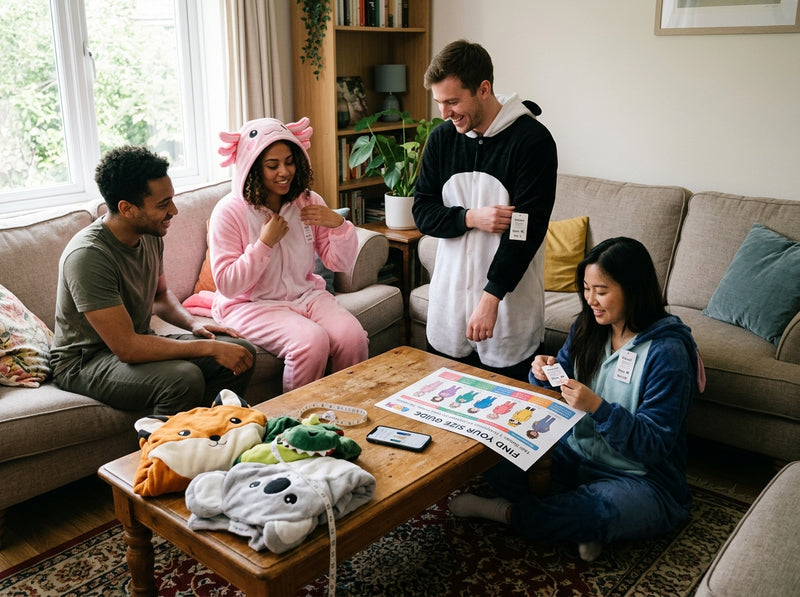
With sizing variation across brands, styles, and regions, a few practical habits will consistently lead to better purchase decisions.
- Always measure height and chest before checking any size chart
- When between two sizes, go up, not down, for comfort and mobility
- Check customer reviews for notes on whether a specific style runs large or small
- For gifts, ask the recipient for their height and approximate weight beforehand
- Look for brands that offer detailed centimeter-based size charts rather than vague S/M/L labels
- Consider the intended use: lounging at home allows for more size flexibility than wearing to a convention where you will move around
Proper sizing also affects how long your kigurumi lasts. A well-fitted onesie experiences less fabric stress at the seams and zipper points, which directly extends its lifespan. Speaking of longevity, once you have the right size, knowing how to wash a kigurumi properly is the next essential step to keeping it looking and feeling its best over time.
🎯 Conclusion
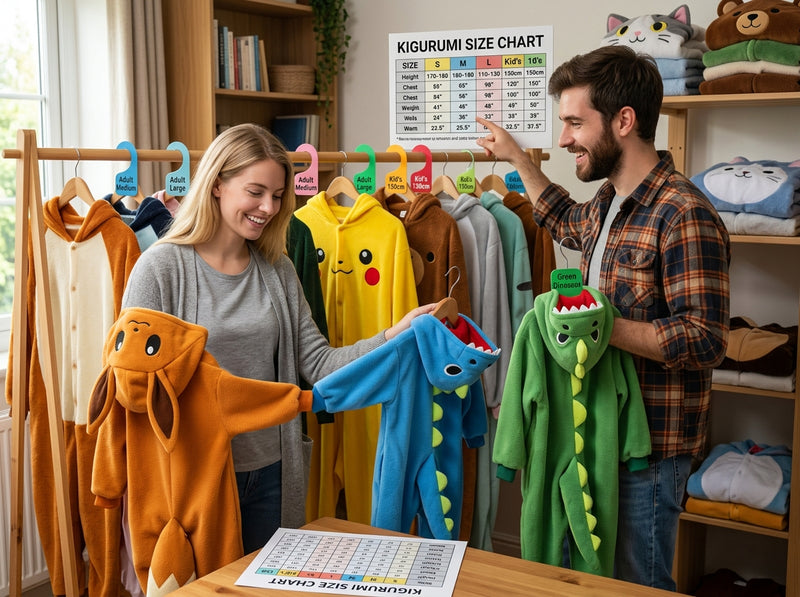
Kigurumi come in sizes ranging from toddler small through adult XXL and plus-size options, with significant variation between brands and regions. The key is to always measure your height, chest, and weight before consulting any size chart, and to size up when in doubt. Japanese brands tend to run smaller than Western ones, so account for that when ordering internationally. With the right measurements in hand, finding a kigurumi that fits comfortably and looks great is straightforward.



2 Comments