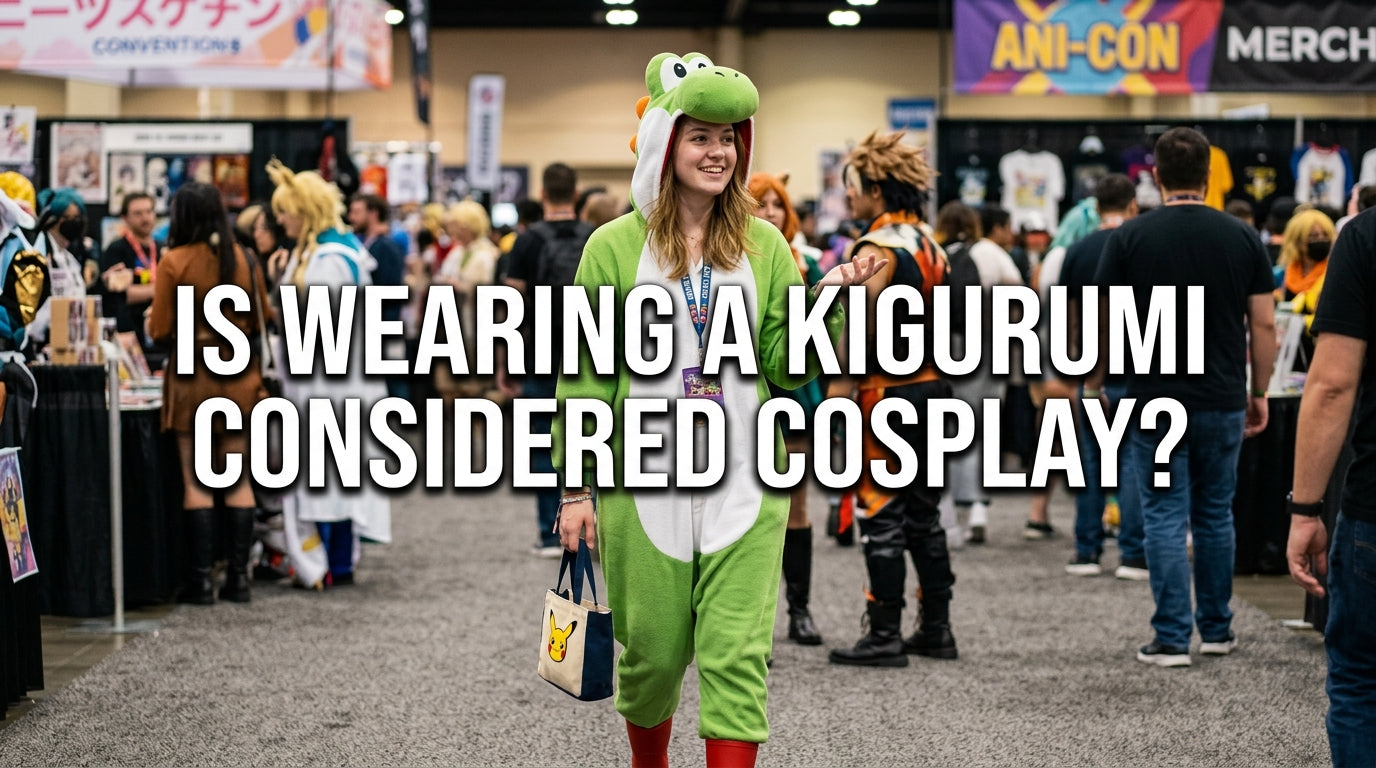
Is Wearing a Kigurumi Considered Cosplay?
Kigurumi onesies blur the line between cozy loungewear and full-blown costume. Whether you’re heading to a convention or just watching anime at home, the question comes up: does wearing a kigurumi count as cosplay? The answer depends on context, intent, and how you define cosplay itself.
🎭 What Is Cosplay, Exactly?

Cosplay – short for “costume play” – is the practice of dressing as a specific character from anime, manga, video games, films, or other media. It typically involves recreating a character’s appearance as accurately as possible, often including handmade or custom-fitted costumes, props, wigs, and makeup.
The key element that defines cosplay isn’t just wearing a costume. It’s the intentional portrayal of a specific character. A cosplayer studies their character’s details, mannerisms, and visual identity, then works to embody that character as faithfully as possible.
Cosplay has deep roots in Japanese fan culture and has grown into a global phenomenon. According to Wikipedia’s overview of cosplay, the practice spans conventions, competitions, online communities, and professional performance – far beyond simply wearing a themed outfit.
🦊 What Is a Kigurumi, Really?

A kigurumi (着ぐるみ) is a Japanese-style full-body onesie designed to look like an animal, creature, or character. Originally used in Japanese street performance and mascot culture, kigurumi onesies became a massive fashion and lifestyle trend, especially in anime communities and at conventions.
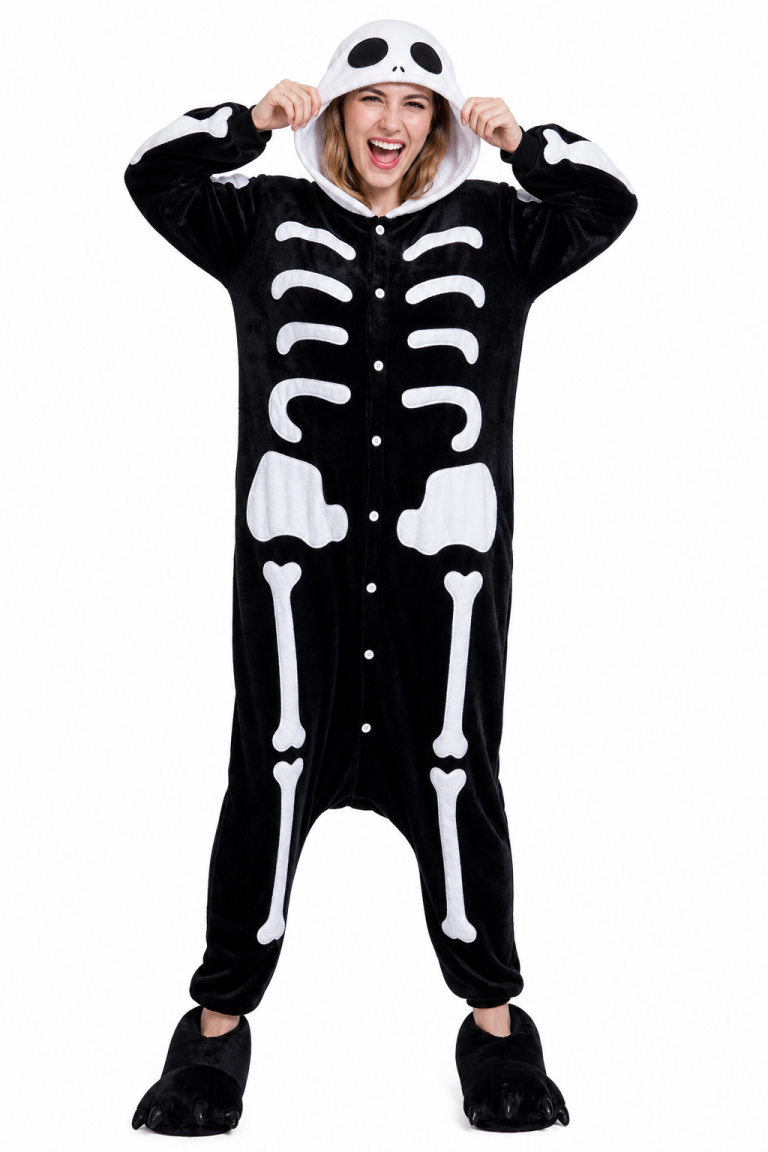
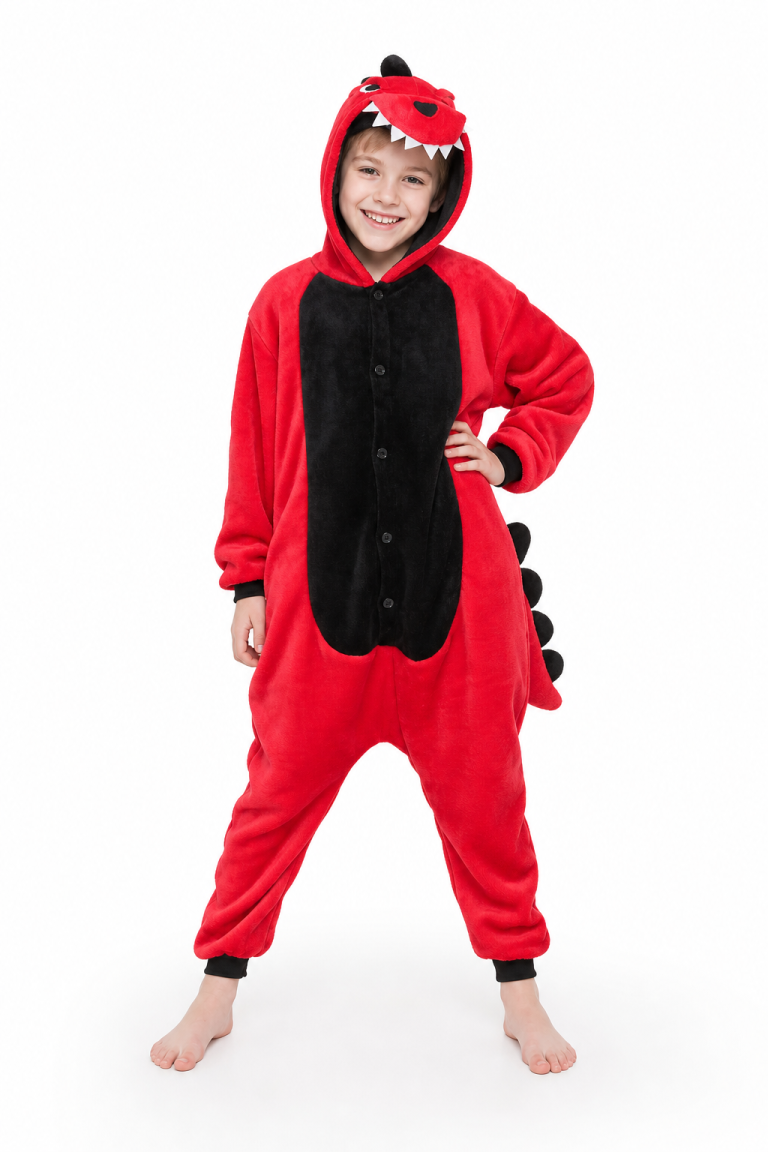
Modern kigurumi onesies are made from soft fleece or plush fabric and come in hundreds of designs – from pandas and foxes to dragons and popular anime characters. They’re designed primarily for comfort and visual fun, not for precise character accuracy.
There’s an important distinction worth knowing: in traditional Japanese usage, “kigurumi” refers to full mascot-style suits worn by performers. The onesie version that most people outside Japan know is sometimes called “kigurumi pajamas” or simply a character onesie. Both exist under the same cultural umbrella.
🤔 So, Is Wearing a Kigurumi Cosplay?

This is where it gets nuanced. The honest answer is: it depends on how you wear it and why. Kigurumi can absolutely be cosplay in some contexts, and in others, it’s simply a fun outfit with no cosplay intent at all.
✅ When a Kigurumi Counts as Cosplay
If you wear a kigurumi specifically to represent a character – say, a Pikachu kigurumi at a Pokémon event, or a Totoro onesie at a Studio Ghibli screening – and you’re intentionally embodying that character, most people in the cosplay community would consider that a valid, if casual, form of cosplay.
- You’re wearing it to portray a recognizable character from media
- You’re attending a convention, themed event, or cosplay gathering
- You’ve added accessories, props, or makeup to enhance the character look
- You’re participating in a cosplay contest or group cosplay
- Your intent is to represent that character to others
In these cases, the kigurumi functions as a costume with cosplay intent. The simplicity of the outfit doesn’t disqualify it – closet cosplay (using everyday clothing to represent characters) is widely accepted in the community, and a kigurumi is a step above that.
❌ When a Kigurumi Is Just a Kigurumi
If you’re wearing your animal kigurumi onesie around the house for warmth, to a pajama party, or as a casual outfit with no character representation in mind, that’s not cosplay. It’s loungewear. Comfortable, adorable loungewear – but not cosplay.
Many people wear kigurumi purely for the cozy factor or as a fashion statement, with no connection to any specific character or fandom. That’s completely valid, but it sits outside the definition of cosplay.
💬 What Does the Cosplay Community Think?

Opinions within the cosplay community vary, but most experienced cosplayers take a fairly open-minded view. The community has long debated what “counts” as cosplay – from store-bought Halloween costumes to elaborate handcrafted armor. Kigurumi falls somewhere in the middle of that spectrum.
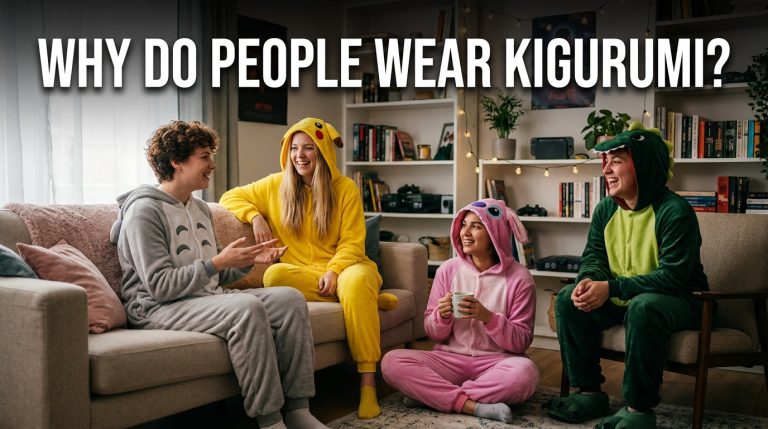
Understanding why people wear kigurumi helps clarify this debate. Many wearers are drawn to kigurumi precisely because it offers a low-barrier entry into fan expression – you get the fun of dressing as your favorite character without the time, cost, and skill required for a full cosplay build.
Some cosplay purists argue that kigurumi onesies are too simplified to count as true cosplay. Their reasoning: a Pikachu onesie doesn’t capture the specific details of the character’s design the way a tailored costume would. But this view is increasingly seen as gatekeeping rather than a meaningful distinction.
The broader consensus, especially at conventions, is that any intentional character representation is welcome. Kigurumi wearers are generally embraced at anime conventions and cosplay events without debate.
📊 Kigurumi vs. Traditional Cosplay: Key Differences

To understand where kigurumi sits relative to traditional cosplay, it helps to compare them directly across a few key dimensions.
| Feature | 🦊 Kigurumi Onesie | 🎭 Traditional Cosplay |
|---|---|---|
| Character accuracy | General / stylized | High detail, screen-accurate |
| Cost | 💰 $30-80 typically | 💰 $100-$1000+ |
| Time to prepare | Minutes | Hours to months |
| Comfort | ✅ Very comfortable | ⚠️ Varies widely |
| Skill required | None (ready to wear) | Sewing, crafting, makeup skills |
| Convention use | ✅ Widely accepted | ✅ Core convention activity |
| Everyday wearability | ✅ Yes (loungewear) | ❌ Rarely practical |
The biggest practical difference is accessibility. Kigurumi onesies make fan expression available to anyone, regardless of budget, skill level, or time. Traditional cosplay often demands significant investment in all three areas.
🎯 Kigurumi at Conventions: What to Expect
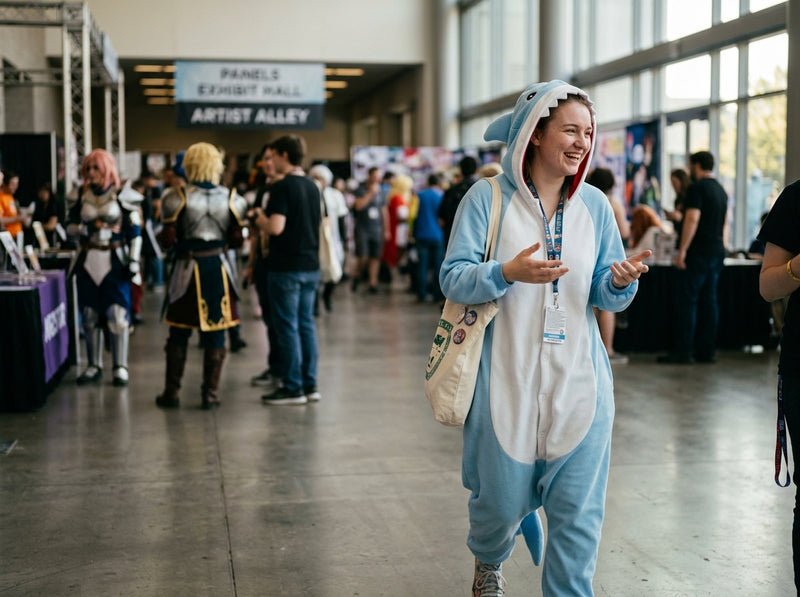
If you’re planning to wear a kigurumi to an anime convention or cosplay event, you’ll fit right in. Kigurumi onesies are a staple at conventions like Anime Expo, Comic-Con, and similar events worldwide. They’re popular precisely because they’re comfortable enough to wear all day while still looking festive and on-theme.
You won’t be excluded from cosplay gatherings or photo opportunities because you’re wearing a kigurumi instead of a tailored costume. Most convention-goers and cosplayers appreciate the fun energy that kigurumi wearers bring to events.
One thing to be aware of: cosplay competitions at conventions typically have specific rules. If you want to enter a craftsmanship contest, a purchased kigurumi likely won’t qualify since those competitions usually judge the skill involved in making the costume. But for general convention wear, group photos, and fan meetups, kigurumi are completely appropriate.
If you’re weighing your options for seasonal events, it’s also worth exploring whether a kigurumi makes a good Halloween costume – a related question that comes up often for people new to the kigurumi world.
🌟 The Bigger Picture: Fan Expression Beyond Labels

Whether a kigurumi qualifies as cosplay is ultimately less important than the experience it creates. Both kigurumi and traditional cosplay serve the same core purpose: allowing fans to express their love for characters, stories, and creative worlds in a visible, joyful way.
The cosplay community has increasingly moved away from gatekeeping and toward celebrating all forms of fan expression. Wearing a kigurumi is a legitimate way to engage with fandom, whether or not you attach the cosplay label to it.
If you’re new to fan culture and kigurumi feels like the right entry point, go for it. You don’t need a $500 handmade costume to show up, have fun, and connect with other fans who share your interests.
Conclusion

Wearing a kigurumi can absolutely be cosplay – when there’s clear character intent behind it. But it doesn’t have to be. Kigurumi onesies exist comfortably in their own space: part costume, part loungewear, part fan expression. Whether you call it cosplay or not, what matters most is that you’re having fun and engaging with the characters and stories you love. The label is optional. The enjoyment isn’t.