
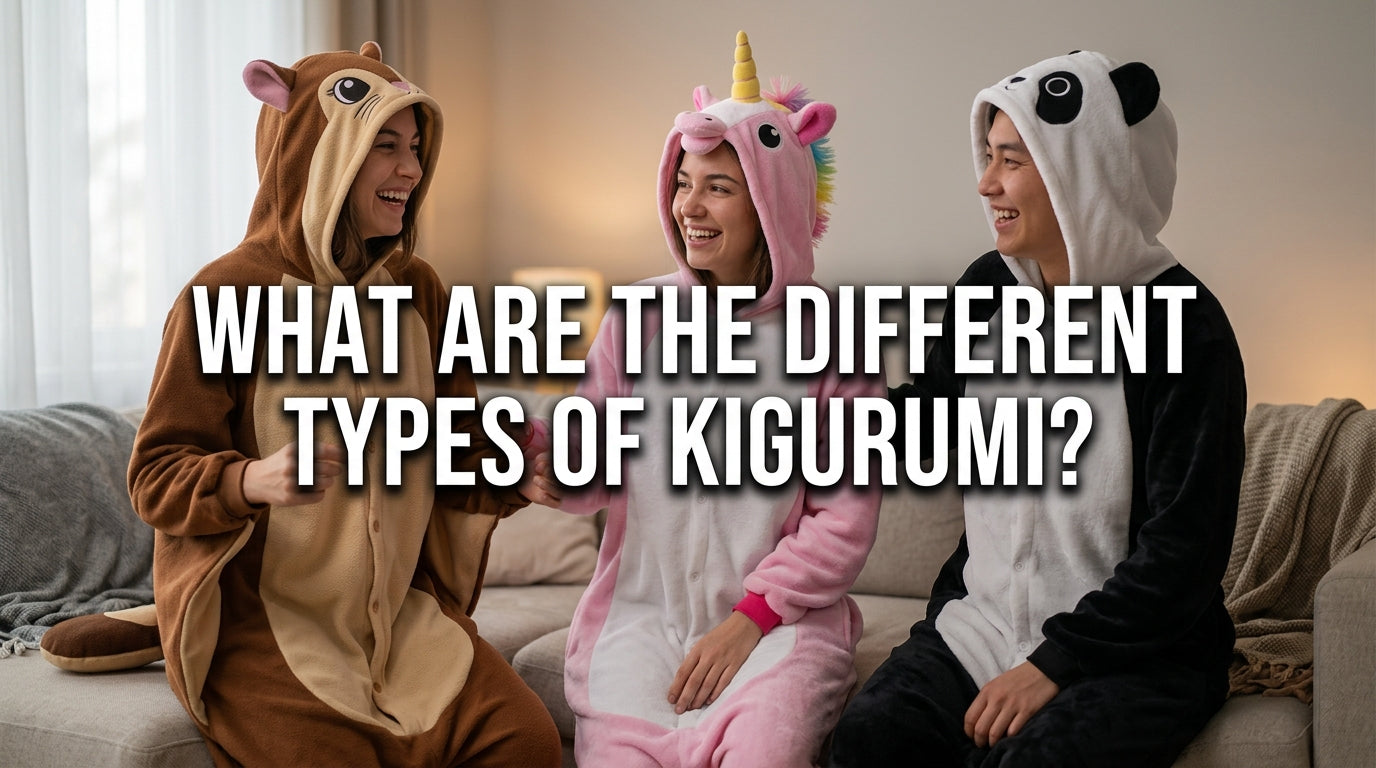
What Are the Different Types of Kigurumi?
Kigurumi come in more styles than most people realize. Whether you’re shopping for a cozy loungewear option, a festival costume, or a gift for an anime fan, knowing the different types helps you pick the right one. Here’s a clear breakdown of every major kigurumi category.
🐾 What Is a Kigurumi, Exactly?
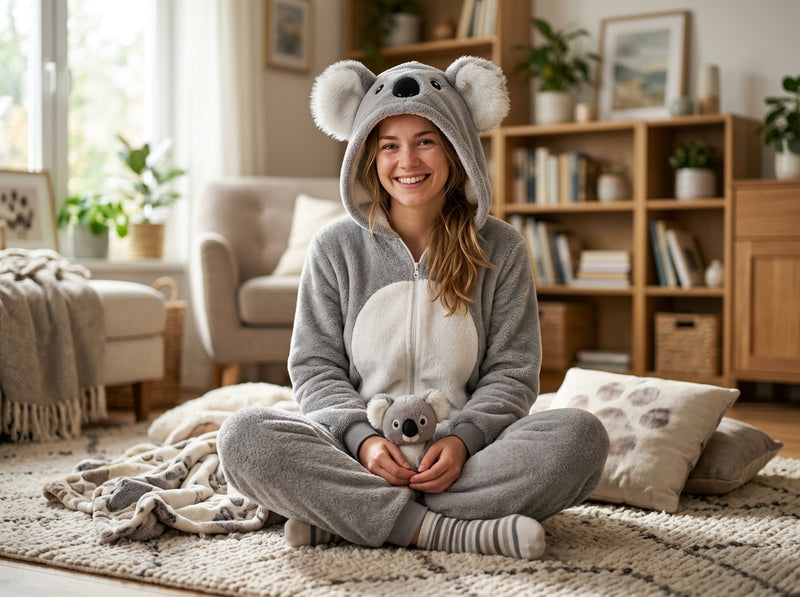
A kigurumi (着ぐるみ) is a Japanese-style full-body costume onesie, typically made from soft fleece or plush fabric. The word combines “kiru” (to wear) and “nuigurumi” (stuffed animal). Originally worn by mascot performers in Japan, kigurumi evolved into a popular casual wear and costume trend worldwide.
Today, the term covers a broad range of wearable character suits, from simple animal hooded onesies to elaborate cosplay-grade costumes. Understanding the different types helps you match the right style to your needs, whether that’s comfort, performance, or pure fun.
🦊 Animal Kigurumi – The Classic Category
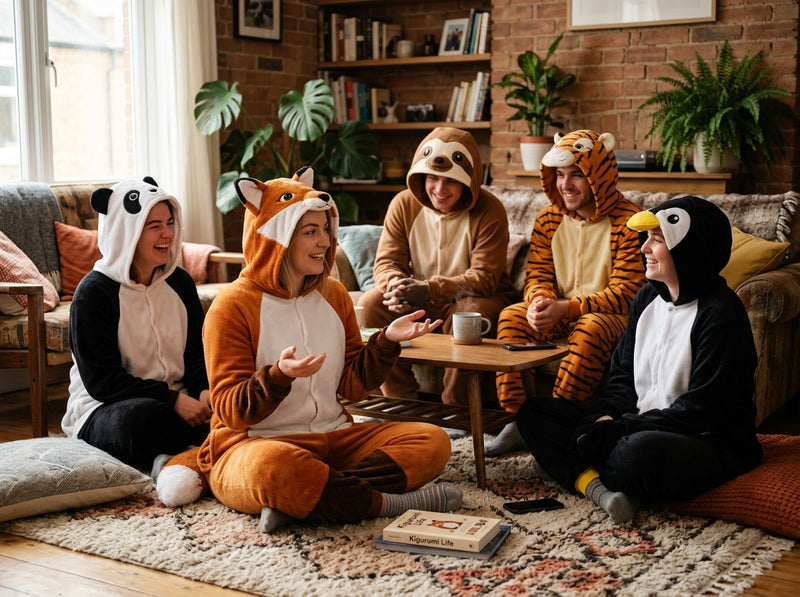
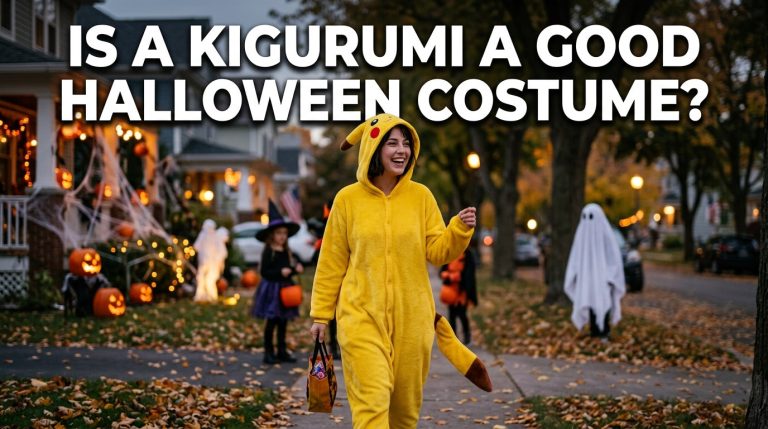
Animal kigurumi are the most recognized type. These full-body animal onesies feature hoods shaped like animal heads, complete with ears, eyes, and sometimes tails. They’re the go-to choice for Halloween, sleepovers, and casual lounging at home.
Popular Animal Styles
- Cats and foxes – consistently the top-selling designs, loved for their soft aesthetic
- Bears and pandas – classic choices, especially popular as gifts for children
- Dogs and wolves – fan favorites in the cosplay and furry communities
- Dinosaurs and dragons – bold, spiky designs popular at festivals and conventions
- Unicorns and horses – pastel-toned options that appeal to fantasy fans
- Sharks and penguins – quirky novelty picks that never go out of style
Most animal kigurumi are made from anti-pill fleece or coral fleece, which provides warmth without excessive bulk. They typically feature a front zipper closure, a hood with 3D ears, and an attached tail at the back.
🌸 Character and Anime Kigurumi
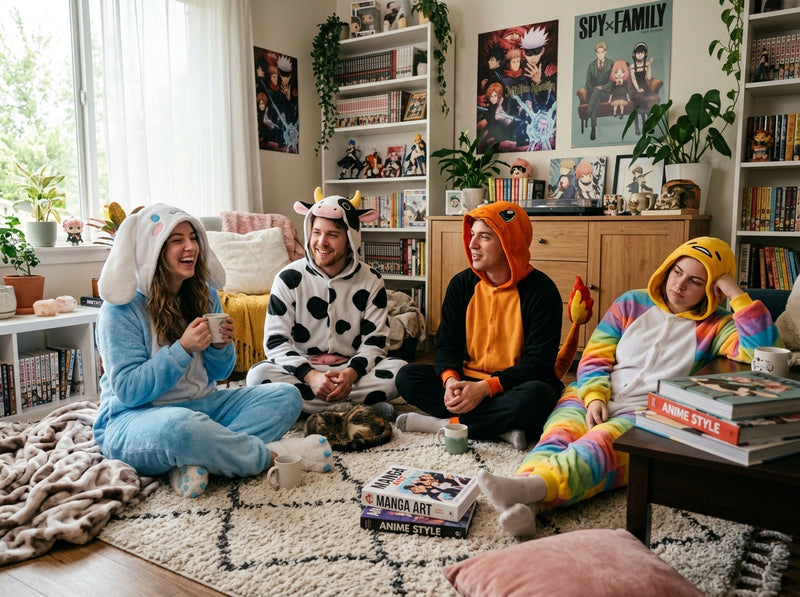
Character kigurumi represent specific fictional figures rather than generic animals. These are especially popular among anime fans, cosplayers, and convention attendees. The designs replicate the color schemes, markings, and accessories of well-known characters.
Anime-Inspired Designs
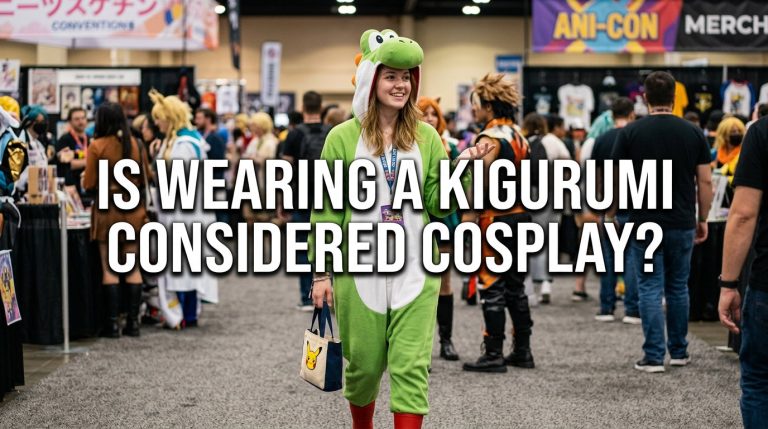
Anime kigurumi draw from popular series and feature details like character-specific color combinations, printed facial markings, and themed accessories. Common inspirations include Pikachu, Totoro, Stitch, and characters from major shonen and shojo series.
Video Game and Pop Culture Characters
Beyond anime, kigurumi designs extend to video game mascots, cartoon characters, and pop culture icons. These designs often include embroidered or printed details that recreate the character’s signature look with precision.
Character kigurumi tend to be slightly more expensive than basic animal styles because of the additional design complexity. Expect to pay $40 to $80 for a quality character onesie, depending on the detail level and fabric quality.
🎭 Mascot-Style Kigurumi (Performer Suits)
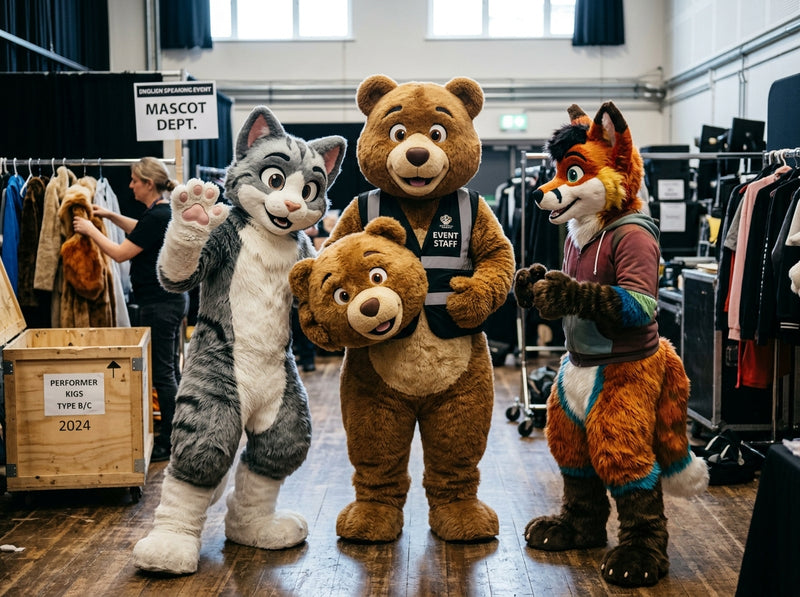
This is the original form of kigurumi. Mascot-style suits are professional-grade full-body costumes used by performers, theme parks, sports teams, and brand promotions. Unlike wearable onesies, these suits are designed for visibility, durability, and extended wear.
Key differences from casual kigurumi include:
- Separate head piece (not an attached hood)
- Reinforced padding in high-wear areas
- Ventilation systems to manage heat
- Visibility features like mesh eyes or internal fans
- Custom fabrication for brand-specific characters
Mascot suits are a professional product category and typically cost $500 to several thousand dollars, depending on customization. They’re not what most people are shopping for when they search for kigurumi, but they represent the origin of the entire category.
🎌 Kigurumi Pajamas vs. Costume Kigurumi 🎭
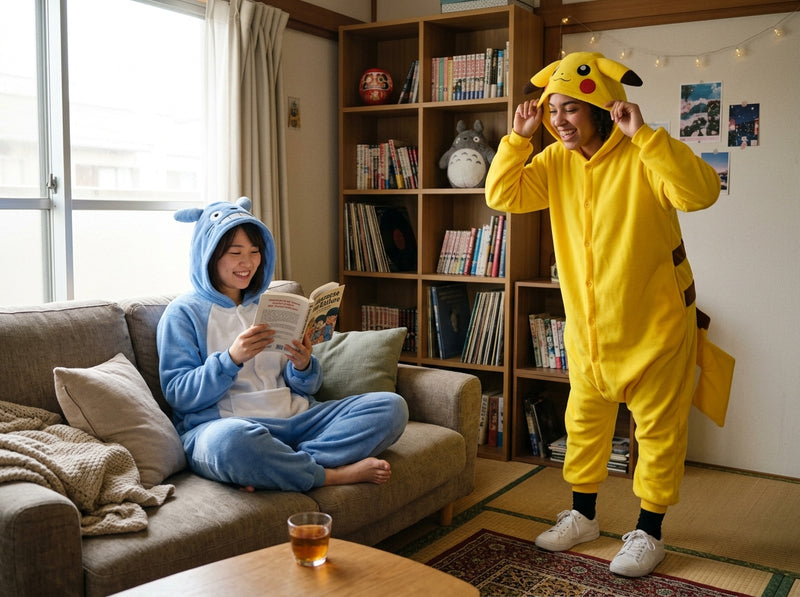
One of the most important distinctions in the kigurumi world is between pajama-style kigurumi and costume-grade kigurumi. These two types serve different purposes and are built differently.
| Feature | 🛏️ Pajama Kigurumi | 🎭 Costume Kigurumi |
|---|---|---|
| Primary Use | Loungewear, sleep, daily comfort | Events, cosplay, Halloween |
| Fabric | Soft fleece, flannel, coral velvet | Polyester, faux fur, satin accents |
| Fit | Relaxed, oversized silhouette | More structured, visual impact focus |
| Details | Simple ears, basic tail, front zip | Elaborate embroidery, 3D elements, accessories |
| Price Range | 💰 $25 – $60 | 💰 $50 – $150+ |
| Washability | ✅ Machine wash friendly | ⚠️ Often hand wash or dry clean |
If comfort and everyday wearability are your priorities, pajama-style kigurumi are the practical choice. If you’re dressing for an event and want maximum visual impact, costume-grade options deliver more elaborate results.
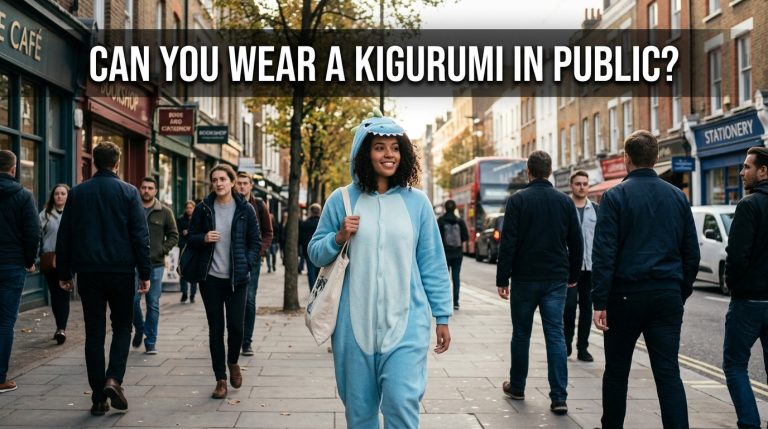
Speaking of wearing kigurumi outside the home, if you’re wondering about wearing a kigurumi in public, there are some useful guidelines worth reviewing before heading out in one.
🌈 Specialty and Niche Kigurumi Types
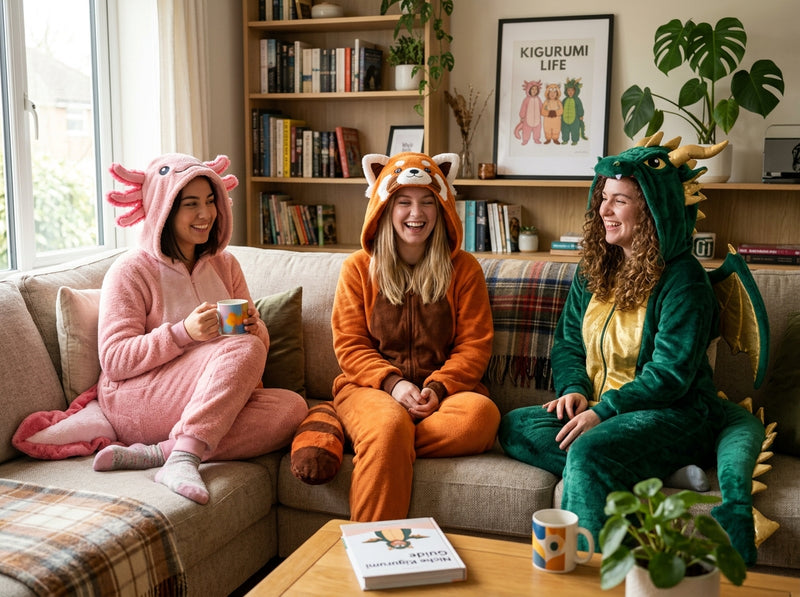
Beyond the main categories, several niche types have developed to serve specific audiences and use cases. These specialty kigurumi often combine elements from multiple categories or introduce new design concepts.
✅ Food and Object Kigurumi
Not all kigurumi are animals or characters. Food-themed onesies shaped like sushi, strawberries, avocados, or ramen bowls have grown in popularity as novelty gifts and party costumes. Object kigurumi follow the same construction as animal styles but replace animal features with food or item-shaped hoods and details.
✅ Seasonal and Holiday Kigurumi
Seasonal designs are produced specifically for holidays like Halloween, Christmas, and Easter. Pumpkin kigurumi, reindeer onesies, and Easter bunny suits fall into this category. These are often sold at lower price points and prioritize visual appeal over long-term durability.
✅ Couple and Matching Kigurumi
Matching kigurumi sets designed for two people have become a popular gift category. These come in coordinated designs, such as two halves of a complementary pair (like a fox and rabbit, or a sun and moon). They’re popular for couples, best friends, and siblings who want a coordinated look for events or photo shoots.
✅ Children’s Kigurumi
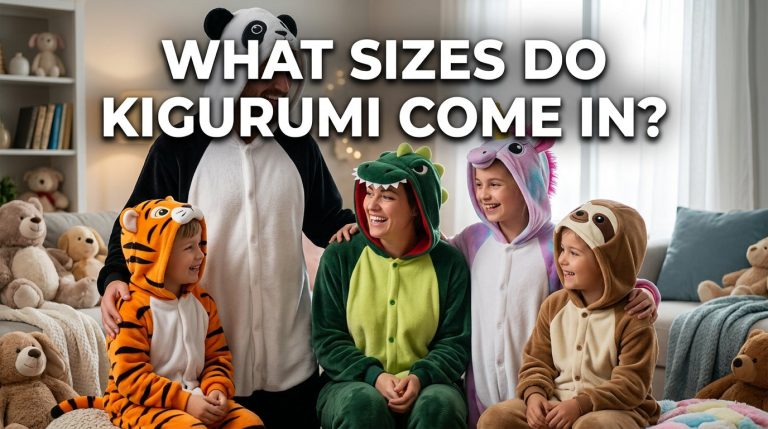
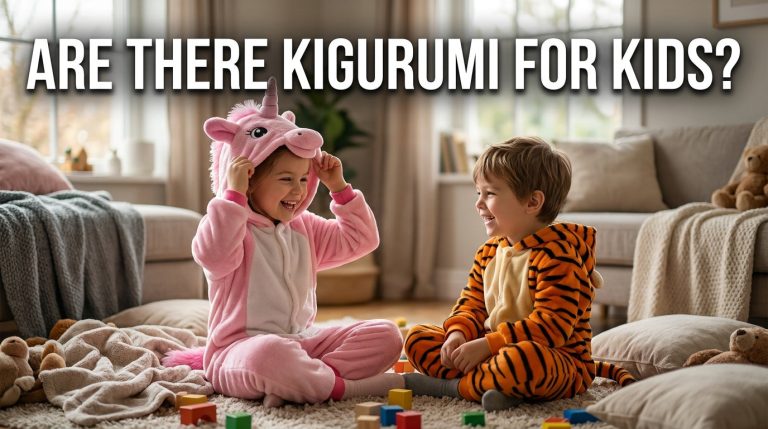
Kids’ kigurumi are scaled-down versions of adult styles, with additional safety features like snap closures instead of zippers and non-toxic dyes. They’re popular as Halloween costumes, dress-up wear, and pajamas for children aged 2 to 12. Sizing typically follows age ranges rather than standard S/M/L measurements.
✅ Plus-Size and Extended Fit Kigurumi
Extended sizing in kigurumi has expanded significantly. Plus-size kigurumi are designed with proportional hoods, longer torso lengths, and wider sleeves to ensure a comfortable fit for larger body types. Quality brands offer sizing up to 3XL or 4XL with consistent design quality across all sizes.
🧵 Fabric Types Across Kigurumi Categories
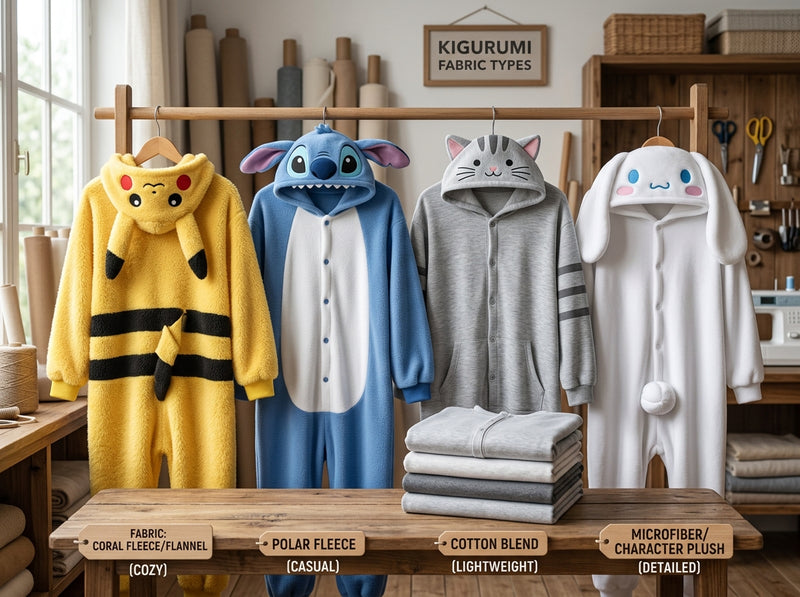
Fabric choice affects comfort, durability, and suitability for different climates. Understanding fabric types helps you choose the right kigurumi regardless of the style.
- Anti-pill fleece – the most common material, soft, warm, and resistant to pilling after washing
- Coral fleece – slightly softer than standard fleece, good for cooler temperatures
- Flannel – breathable and lightweight, better for mild climates or indoor use
- Faux fur – used in premium costume kigurumi for realistic texture, harder to clean
- Minky fabric – ultra-soft and plush, often used in high-end pajama styles
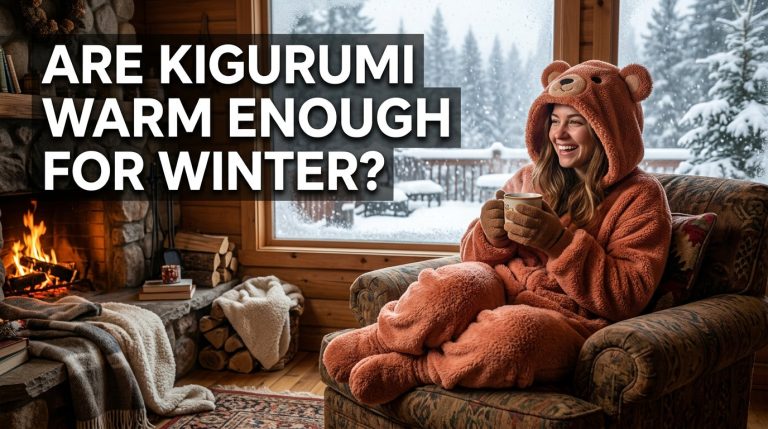
For year-round wear, flannel or lightweight fleece is the most versatile option. For winter use or cold climates, coral fleece or double-layer fleece constructions provide better insulation.
If you’re shopping for a pair with a friend or partner, it’s worth exploring whether two people can wear matching kigurumi and how to coordinate sizing and styles effectively.
🎯 How to Choose the Right Kigurumi Type for You
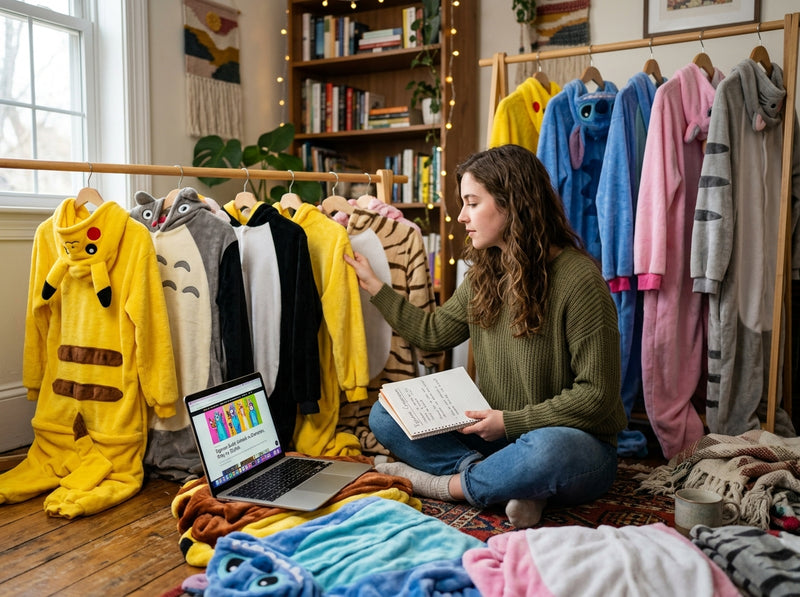
With so many types available, the right choice depends on a few straightforward factors. Think about how and where you plan to wear it, who it’s for, and what level of detail matters to you.
For casual home use and gifting, animal pajama kigurumi are the most practical and affordable option. For cosplay events and conventions, character or costume-grade kigurumi deliver better results. For children, prioritize safety features and machine-washable fabrics. For couples or groups, matching sets add a fun coordinated element without much extra cost.
Budget is also a real factor. Basic animal onesies start around $25 to $35, while detailed character kigurumi or specialty designs can run $80 to $120 or more. Quality varies significantly at lower price points, so checking fabric weight and zipper quality before purchasing is worth the extra research.
Conclusion
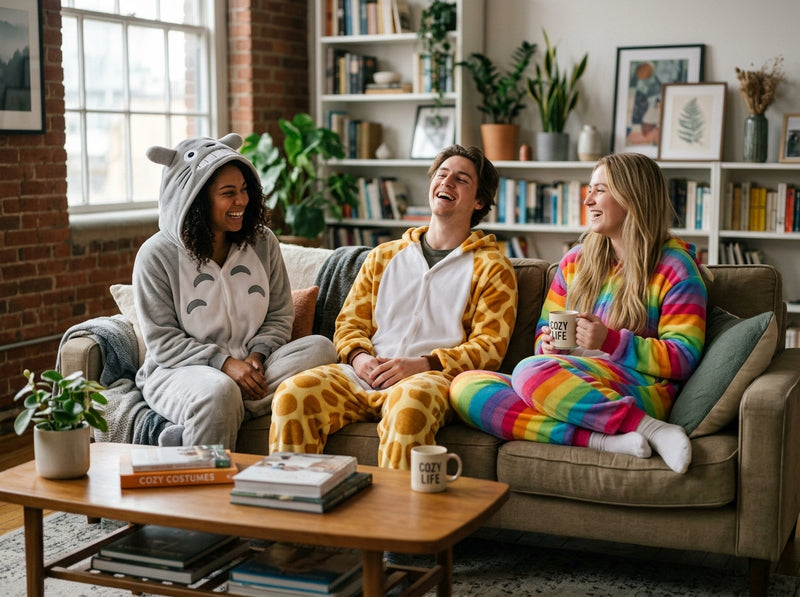
Kigurumi cover a wide range from simple animal pajamas to professional mascot suits, with plenty of variety in between. The main types include animal onesies, character kigurumi, costume-grade suits, food and novelty designs, and matching sets. Each serves a different purpose. Knowing which category fits your needs makes the shopping process straightforward and helps you get exactly what you’re looking for, whether that’s comfort, creativity, or a standout costume.
One Comment
Comments are closed.