Why Do People Wear Kigurumi?
Kigurumi onesies have gone from niche Japanese novelty to global phenomenon, and people are genuinely curious about why. Are they just pajamas? A costume? A lifestyle? The answer is all of the above, and then some. Here’s what actually drives millions of people to slip into an animal suit.
🎌 The Origins: Where Kigurumi Culture Comes From
To understand why people wear kigurumi, it helps to know where the trend started. Kigurumi originated in Japan in the early 1990s, initially as character costumes worn by performers and mascots. The word itself blends “kiru” (to wear) and “nuigurumi” (stuffed animal), which tells you everything about the concept.
Over time, the style shifted from professional performance wear to everyday fashion. Japanese youth culture, particularly the Harajuku street fashion scene, embraced kigurumi as a form of self-expression. From there, the trend spread internationally through anime conventions, music festivals, and social media.
Today, kigurumi onesies are worn by people across age groups, cultures, and occasions. They’re no longer a niche curiosity. They’re a recognized category of comfort wear, costume, and community signaling all at once.
😌 Comfort and Warmth: The Practical Side Nobody Should Overlook
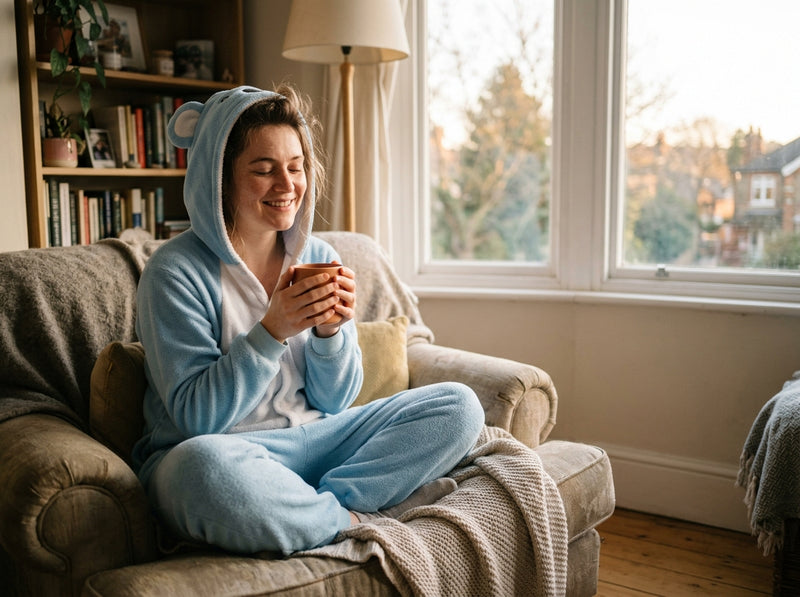
Let’s start with the most straightforward reason: kigurumi are genuinely comfortable. They’re typically made from soft fleece, plush polyester, or flannel fabrics that feel warm and cozy against the skin. For a lot of people, that’s the beginning and end of the story.
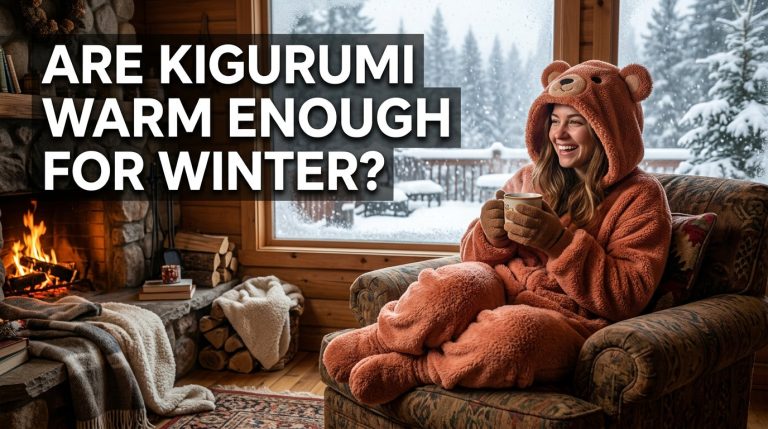
Unlike regular pajamas, a kigurumi covers the whole body in one piece. There’s no gap between a shirt and pants, no bunching, no adjusting. You zip up and you’re done. That full-body coverage makes them especially popular in colder climates or for lounging at home during winter.
What makes kigurumi physically comfortable?
- Loose, non-restrictive cut that fits a wide range of body types
- Soft inner lining that doesn’t irritate skin
- Full-body warmth without layering multiple garments
- Lightweight enough to move freely while still feeling cozy
- Simple zipper or button closure, no complicated fastenings
Many people who wear kigurumi describe it as wearing a wearable blanket with a personality. That combination of warmth and whimsy is hard to replicate with standard loungewear.
🎭 Self-Expression and Identity: More Than Just Pajamas
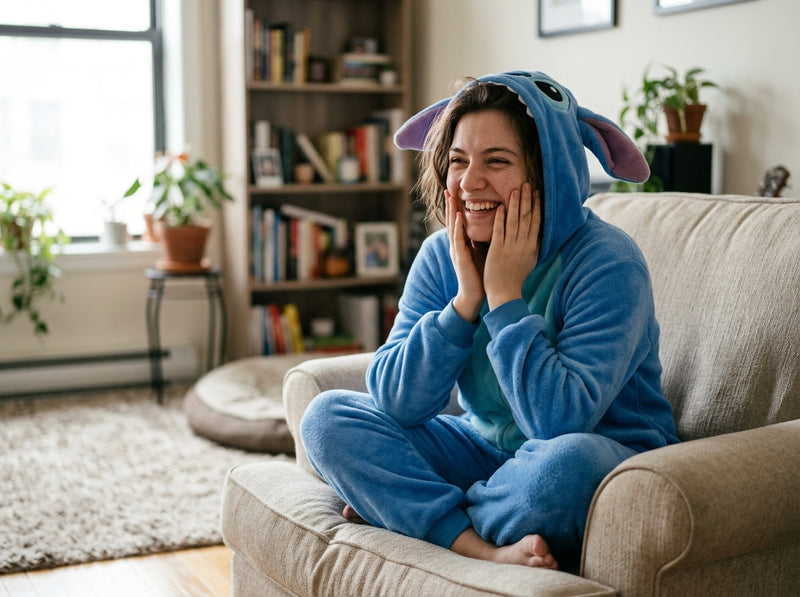
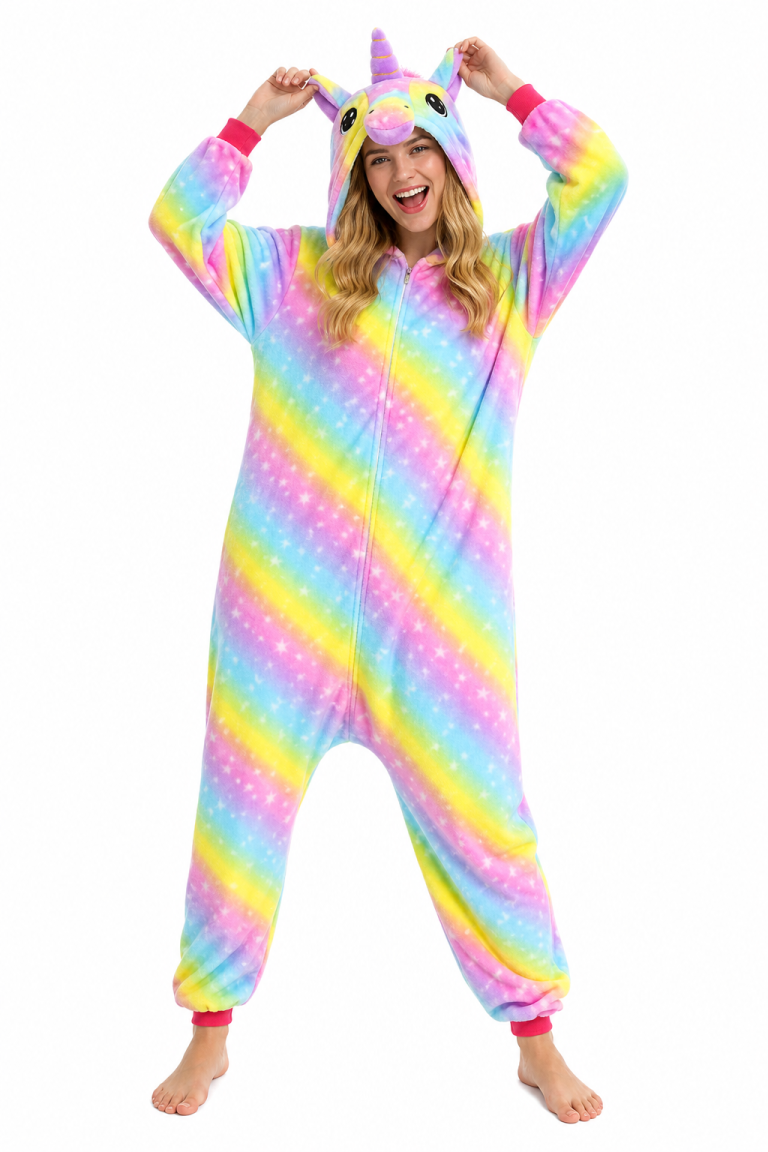
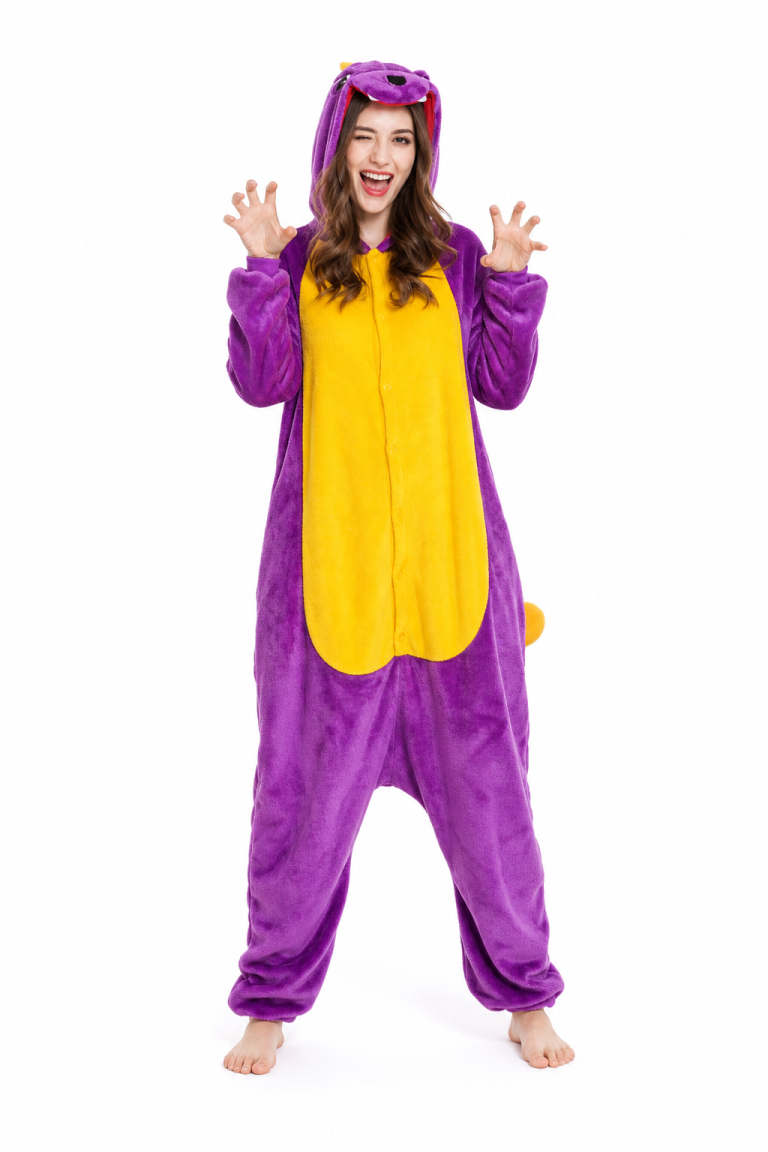
Comfort alone doesn’t explain why someone chooses a panda onesie over a plain fleece set. The animal or character design matters. Choosing a kigurumi is a form of self-expression, and people take it seriously.
Someone who picks a wolf kigurumi might identify with themes of independence or wildness. A person who wears a cat onesie might be leaning into a playful, curious persona. These aren’t random choices. They reflect personality, humor, aesthetic preferences, and sometimes deeper identity markers.
The role of kawaii culture 🌸
In Japanese pop culture, kawaii (cute) aesthetics carry real social weight. Wearing something adorable isn’t childish, it’s a deliberate style choice with cultural roots. Kigurumi fits perfectly into this framework because it combines visual cuteness with physical comfort.
This kawaii influence has spread globally. People in Europe, North America, and Australia now embrace the same aesthetic logic: looking soft, approachable, and playful is a valid identity statement. Kigurumi lets you wear that identity literally.
If you want to understand the deeper cultural roots of this trend, exploring what kigurumi means in Japanese gives useful context about how language and culture shaped the garment itself.
🎉 Social and Event-Based Wearing: When Kigurumi Becomes a Group Thing
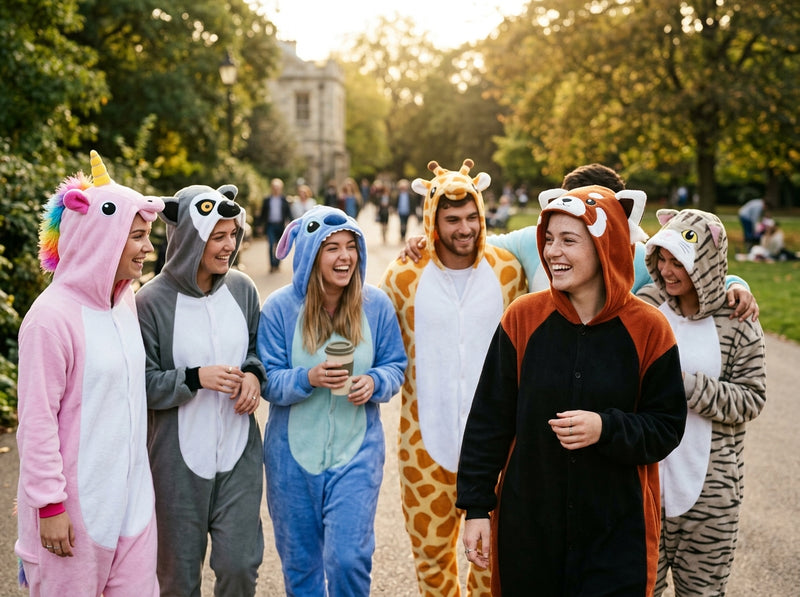
A huge reason people wear kigurumi is social. These onesies thrive in group settings, and wearing one signals membership in a community that values fun, creativity, and shared experience.
Where you’ll commonly see kigurumi worn
| Setting | Why Kigurumi Works Here |
|---|---|
| Anime conventions | 🎌 Easy cosplay alternative, highly recognizable |
| Music festivals | 🎵 Comfortable for long days, visually striking in crowds |
| Halloween parties | 🎃 Instant costume with zero assembly required |
| Sleepovers and pajama parties | 😴 Perfect sleepwear that’s also a conversation starter |
| Hospital visits or charity events | ❤️ Spreads joy and makes people smile instantly |
At conventions and festivals especially, wearing a kigurumi creates instant social connection. Two strangers in matching animal onesies will almost always acknowledge each other. It breaks the ice in a way that regular clothing rarely does.
Group kigurumi wearing 🐾
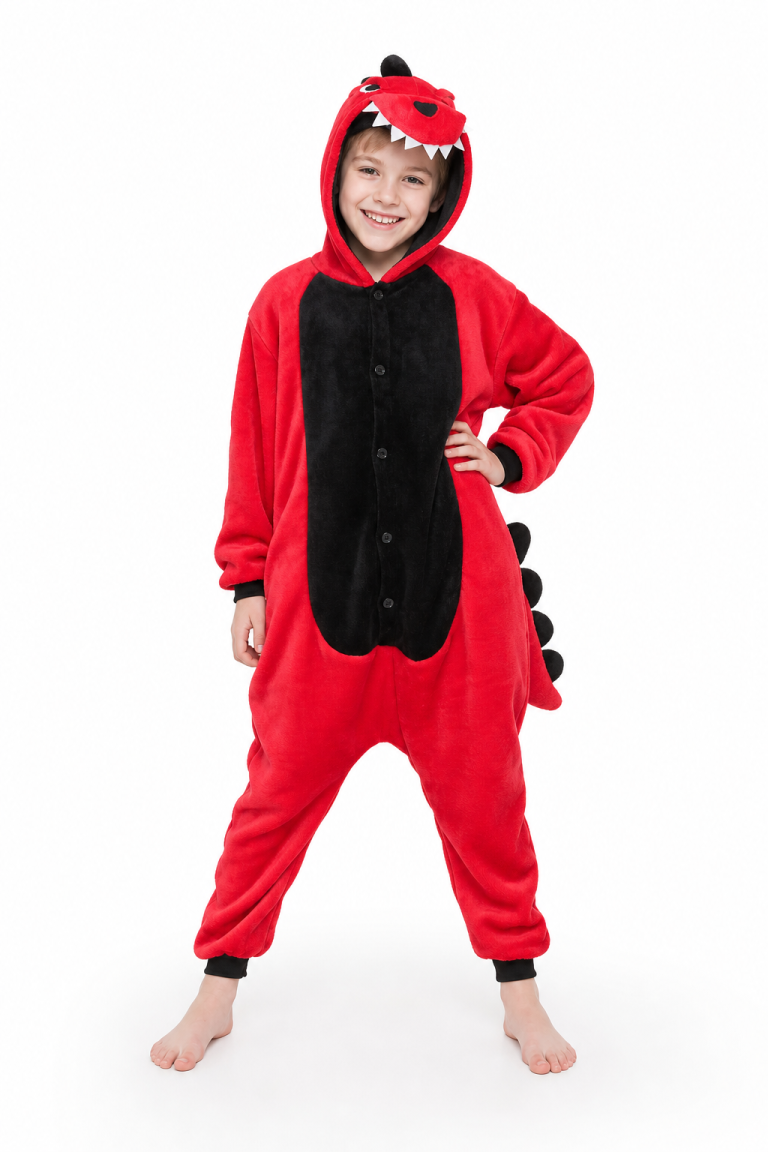
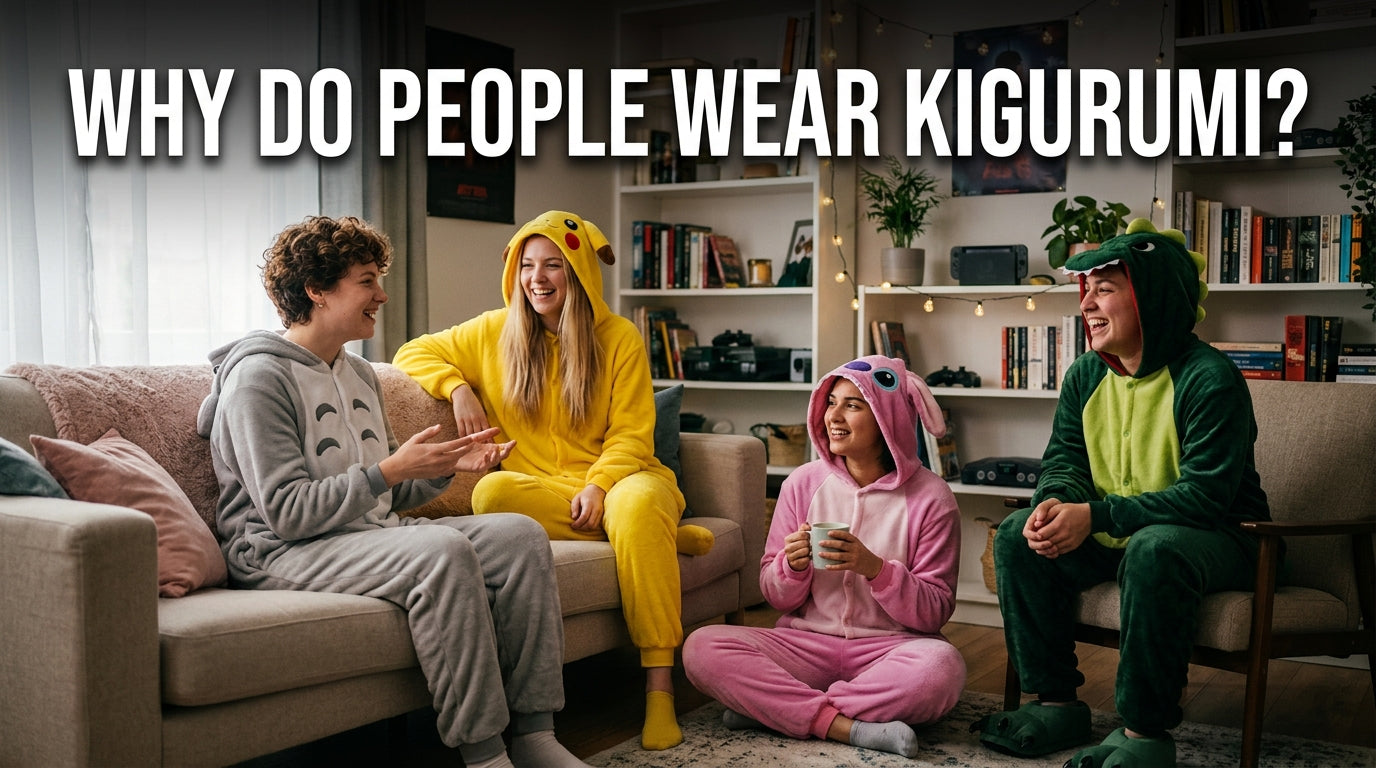
Friend groups and couples often buy matching or coordinated kigurumi sets. This turns the garment into a shared experience, a way of marking a relationship or celebrating an occasion together. It’s not unusual to see entire families in matching onesies at theme parks or holiday gatherings.
🧠 Psychological Comfort: The Deeper Reasons People Reach for a Kigurumi
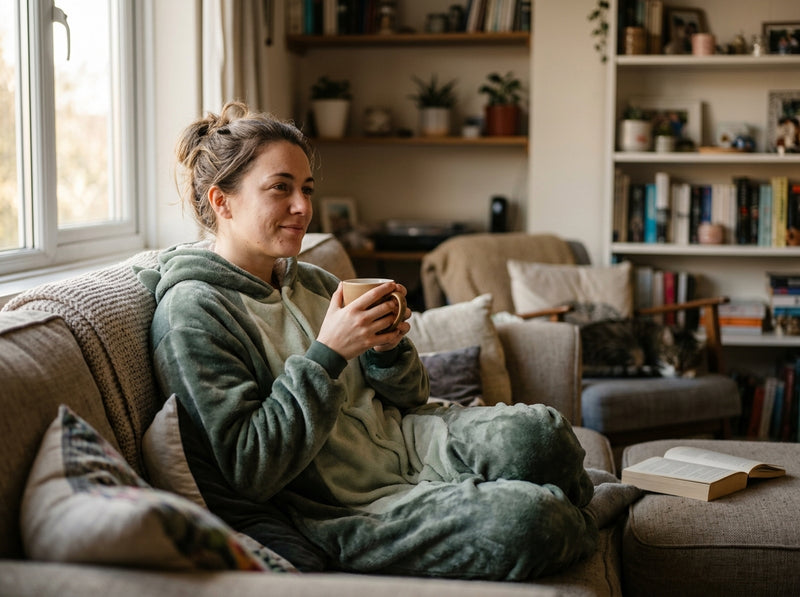
There’s a psychological dimension to kigurumi wearing that doesn’t get discussed enough. For many people, putting on a full-body animal costume creates a sense of emotional safety and playfulness that’s genuinely therapeutic.
Psychologists who study play behavior note that adults benefit from play just as much as children do, but social norms often make it harder to access. Kigurumi gives adults a socially acceptable “costume” that signals “I’m in play mode right now.” That permission to be silly, soft, and non-serious has real psychological value.
Stress relief and emotional regulation
Some wearers describe their kigurumi as a comfort object in wearable form. The soft fabric, the enclosed feeling, and the whimsical design all contribute to a sense of calm. This is particularly relevant for people who experience anxiety or sensory sensitivity, where soft, enveloping textures feel grounding.
This isn’t a fringe idea. Weighted blankets and soft textures are widely recognized for their calming effects. A kigurumi delivers a similar tactile experience while also adding a visual and social layer of comfort.
Anonymity and freedom
Wearing a full-body costume, even a soft and friendly one, creates a small degree of anonymity. Some people find that freeing. When you’re dressed as a giant bear, social expectations shift slightly. You’re allowed to be more expressive, more playful, less constrained by how you normally present yourself.
🎭 Kigurumi and Cosplay: Where the Lines Blur
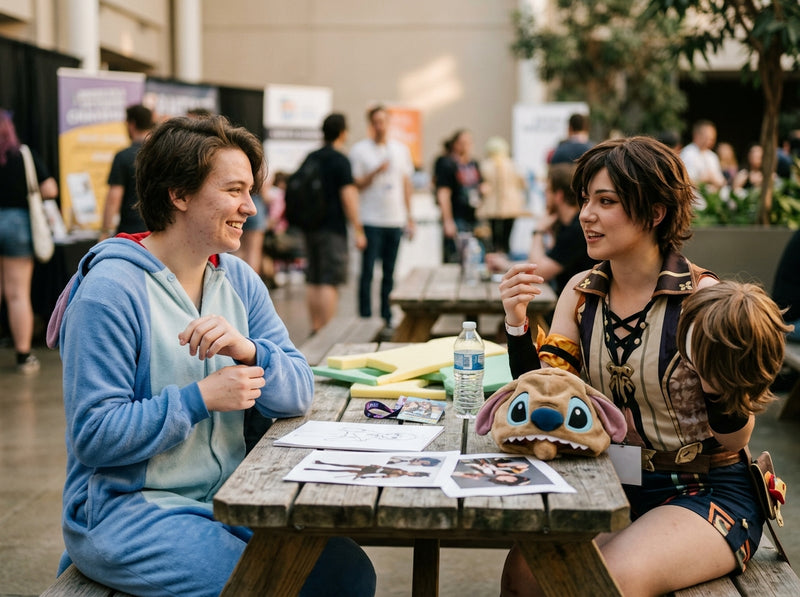
A common question is whether wearing a kigurumi counts as cosplay. The honest answer is: sometimes yes, sometimes no. It depends entirely on intent and context.
Kigurumi is not traditional cosplay in the strict sense. Classic cosplay involves recreating a specific character from anime, manga, film, or games, with attention to accuracy and detail. A kigurumi is more of a stylized, simplified interpretation. It’s character-inspired rather than character-accurate.
That said, many cosplayers use kigurumi as a casual or “closet cosplay” option. It’s a low-effort way to represent a fandom at a convention without building or buying an elaborate costume. If you’re curious about exactly where the boundary sits, the question of whether wearing a kigurumi is considered cosplay goes deeper into how the community defines these categories.
For most casual wearers, the cosplay question is irrelevant. They’re not wearing a kigurumi to compete in a costume contest. They’re wearing it because it’s fun, comfortable, and expressive. The label doesn’t change the experience.
💡 Who Actually Wears Kigurumi? (It’s a Wider Audience Than You Think)

The stereotype is that kigurumi are worn by anime fans or teenagers. The reality is much broader. Kigurumi wearers span age groups, subcultures, and contexts in ways that might surprise you.
- College students wearing them as dorm loungewear or to campus events
- Parents buying matching sets for family holiday photos
- Festival-goers using them as practical, eye-catching outfits
- Healthcare workers and teachers wearing them for themed days
- Adults who simply love comfortable, quirky home clothing
- Fans of specific characters or animals wanting a wearable tribute
The common thread isn’t age or fandom. It’s a willingness to prioritize comfort and personality over conventional fashion norms. That’s a broad demographic.
✅ Final Thoughts: Why Kigurumi Keep Growing in Popularity
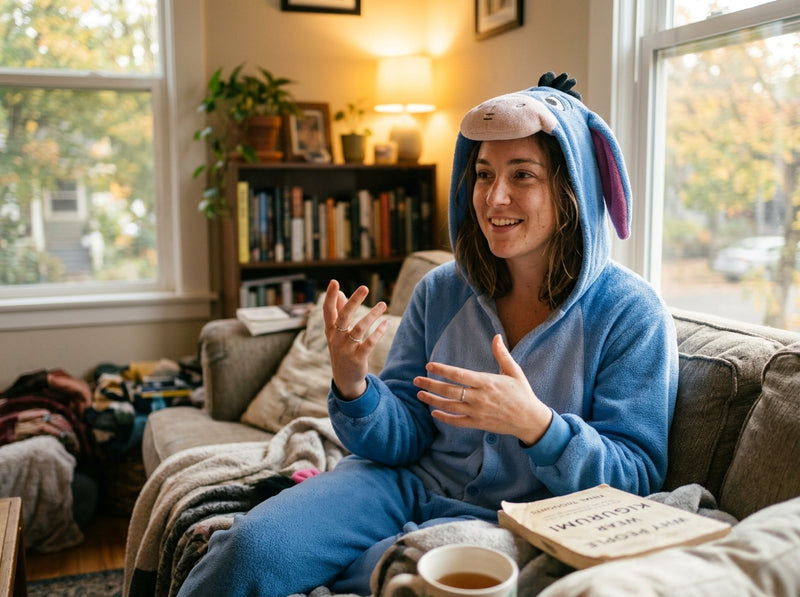
People wear kigurumi for a mix of practical and emotional reasons. Comfort, self-expression, community, and psychological ease all play a role. There’s no single answer because there’s no single type of kigurumi wearer.
What’s clear is that this isn’t a passing trend. Kigurumi have proven staying power because they fill a genuine need: the desire to feel cozy, express personality, and connect with others in a lighthearted way. Whether you’re drawn to the warmth, the aesthetic, or the social energy, there’s a real reason behind every animal onesie you see.
If you’re considering trying one, the barrier to entry is low and the payoff, in comfort and fun, tends to be immediate. Sometimes the best reason to wear something is simply that it makes you feel good.