
Are Kigurumi Warm Enough for Winter?
Kigurumi onesies look cozy, but can they actually keep you warm when temperatures drop? The answer depends on the fabric, the fit, and how you wear them. Here’s what you need to know before buying a kigurumi for winter use, whether for lounging at home, attending events, or braving the cold outdoors.
🧵 What Are Kigurumi Made Of?
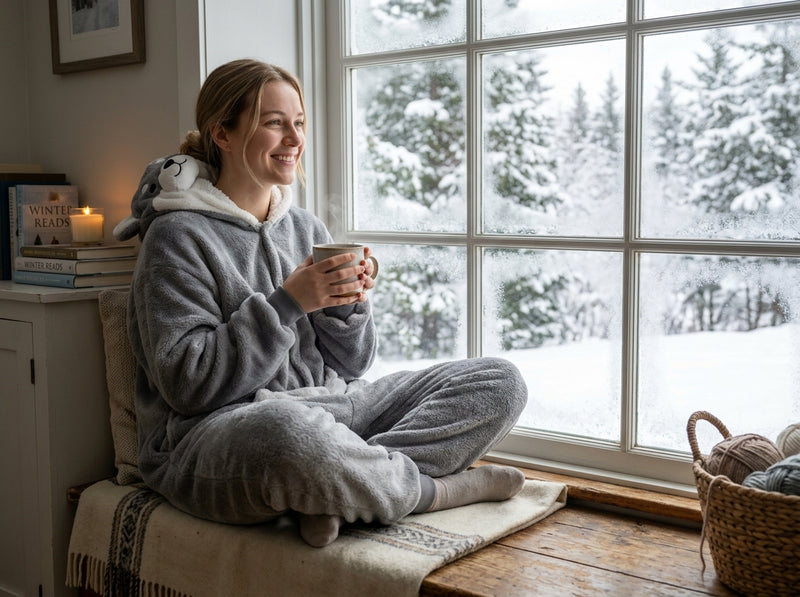
Most kigurumi onesies are made from fleece or polar fleece fabric, which is a synthetic material derived from polyester. Fleece is known for its softness, lightweight feel, and decent insulating properties. It traps warm air close to the body, which is exactly what you want in a cold-weather garment.
Some kigurumi are made from micro-fleece or coral fleece, which are thinner and softer but slightly less warm than standard polar fleece. A small number of premium options use sherpa-lined fleece or plush velboa fabric, offering extra thickness and warmth.
- Polar fleece – most common, good insulation, durable
- Micro-fleece – softer, lighter, slightly less warm
- Coral fleece – ultra-soft texture, moderate warmth
- Sherpa-lined fleece – premium warmth, heavier weight
- Plush velboa – thick and cozy, often used in character designs
The fabric weight matters a lot. A 300g/m² polar fleece kigurumi will be noticeably warmer than a 150g/m² micro-fleece version. If warmth is your priority, always check the fabric weight or description before purchasing.
🌡️ How Warm Are Kigurumi, Really?
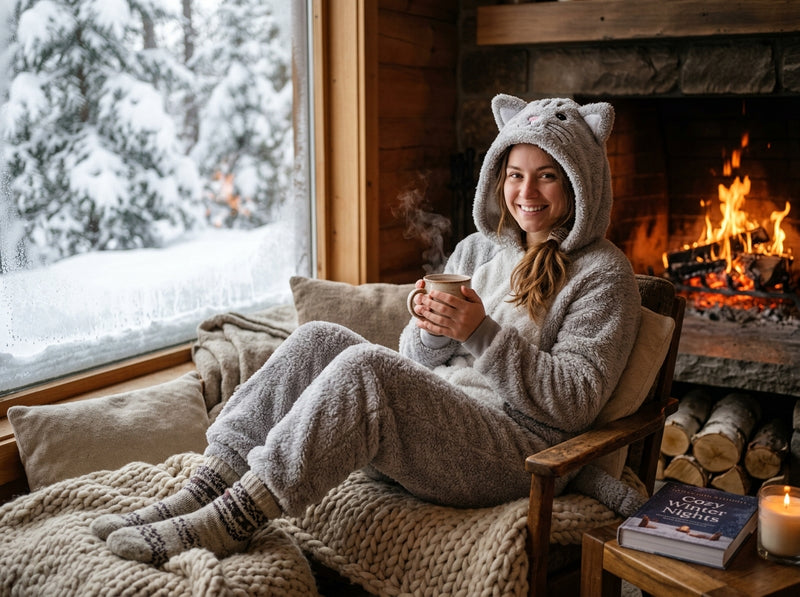
Kigurumi onesies are genuinely warm for indoor use. Think of them as a step up from pajama pants and a hoodie, but not quite as warm as a thick wool blanket or a proper winter jacket. They cover your entire body in one continuous layer, which eliminates the gaps you get when wearing separate top and bottom pieces.
For indoor temperatures between 60°F and 68°F (15°C to 20°C), a standard fleece kigurumi is more than enough to keep you comfortable. Many people wear them over nothing but underwear and stay perfectly warm on cold evenings at home.
If your home runs cold or you tend to feel chilly easily, you can layer a long-sleeve thermal shirt underneath without losing the comfort of the onesie. The relaxed cut of most kigurumi makes layering easy.
Indoor Warmth Comparison
| Garment | Warmth Level | Best For |
|---|---|---|
| Thin cotton pajamas | ❄️ Low | Summer nights |
| Fleece kigurumi onesie | 🔥🔥 Medium-High | Cool to cold indoor temps |
| Sherpa-lined kigurumi | 🔥🔥🔥 High | Cold rooms, drafty homes |
| Wool sweater + pants | 🔥🔥 Medium-High | General cold weather |
| Winter jacket | 🔥🔥🔥🔥 Very High | Outdoor winter conditions |
🏠 Kigurumi for Winter Lounging vs. Outdoor Use
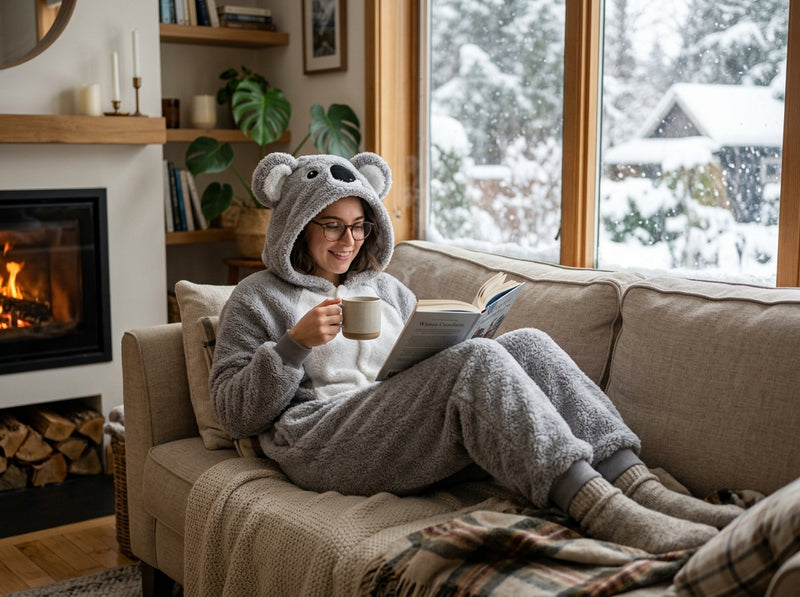
This is the most important distinction to make. Kigurumi excel as indoor winter loungewear. They are designed for comfort and warmth in controlled environments, not for exposure to wind, rain, or freezing temperatures outside.
Worn indoors, a fleece kigurumi animal onesie is ideal for movie nights, holiday gatherings, lazy weekend mornings, and staying warm while working from home in winter. The full-body coverage means your legs, torso, and arms are all insulated at once.
⚠️ Using Kigurumi Outdoors in Winter
Fleece is not windproof or waterproof. If you step outside in a kigurumi without any additional layers, you will feel the cold quickly in windy or wet conditions. The fabric absorbs moisture, which reduces its insulating ability significantly.
That said, many people wear kigurumi outdoors for short periods at winter festivals, cosplay events, or holiday markets. For these situations, layering is key:
- Wear a thermal base layer underneath for extra insulation
- Add a waterproof shell jacket over the kigurumi if rain or snow is expected
- Wear warm socks and boots since most kigurumi have open feet or thin foot coverings
- Use a hood or hat to protect your head, as the kigurumi hood alone may not be enough
- Keep outdoor exposure to short intervals and warm up indoors regularly
🎁 Choosing a Kigurumi That’s Warm Enough
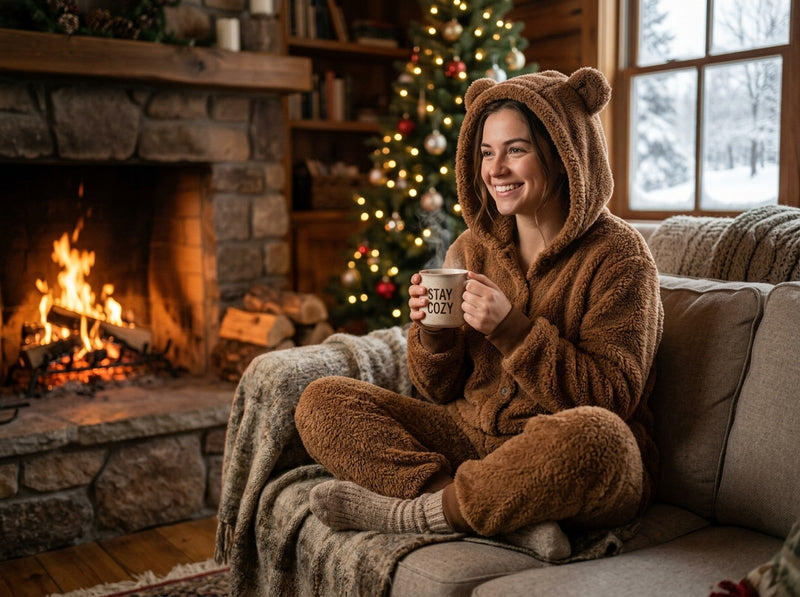
Not all kigurumi offer the same level of warmth. If you are buying one specifically for winter comfort, there are a few features to prioritize. This is also worth keeping in mind if you are shopping for someone else, since warmth needs can vary based on age, body type, and personal preference. For more guidance on selecting the right style for someone else, check out our article on what kigurumi to buy as a gift.
Fabric thickness is the single most important factor. Look for kigurumi described as “thick fleece,” “double-layer fleece,” or “sherpa-lined.” These will outperform thin micro-fleece versions in cold conditions.
Full coverage design also matters. Some kigurumi have open feet, short sleeves, or thin hoods. For maximum winter warmth, choose a design with long sleeves, a full hood, and either enclosed feet or a long enough hem to tuck into warm socks.
✅ Features to Look For in a Winter Kigurumi
- Polar fleece or sherpa-lined fabric (300g/m² or higher)
- Full-length sleeves with fitted cuffs
- Deep hood with good coverage
- Full-length zipper for easy on/off without losing heat
- Enclosed or anti-slip feet for cold floors
- Relaxed fit that allows layering underneath
❌ Features That Reduce Warmth
Some kigurumi designs prioritize looks over function. Watch out for thin velboa or satin fabrics that feel smooth but offer minimal insulation. Open-toe designs let cold air in from below. Very loose, oversized cuts can also reduce warmth since they allow more air circulation instead of trapping body heat.
🌙 Kigurumi as Winter Sleepwear
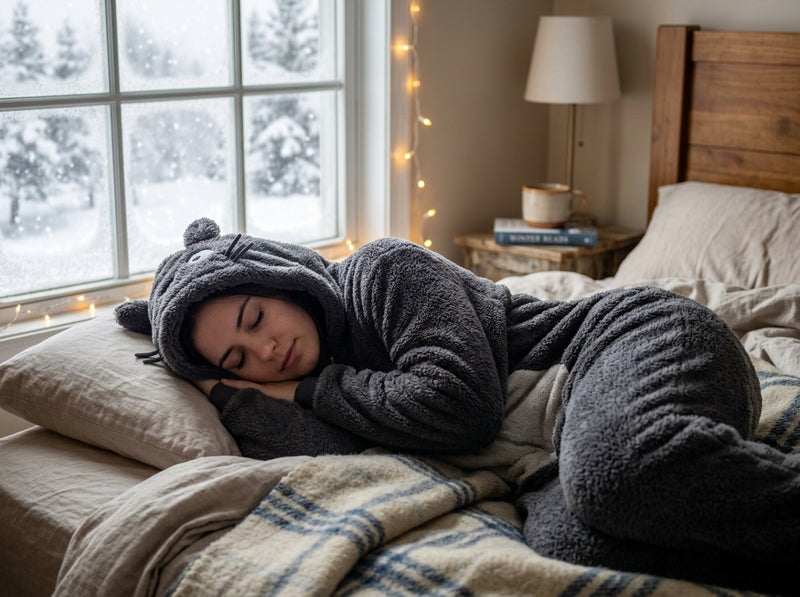
One of the most popular uses for kigurumi in winter is as sleepwear. A fleece kigurumi onesie for sleeping can genuinely replace a heavy duvet for people who run warm, or serve as an extra layer for those who feel cold at night.
Compared to traditional pajamas, the all-in-one design prevents the top from riding up and the bottoms from twisting during sleep. This makes them particularly popular for children and for anyone who moves around a lot in bed.
One thing to consider: fleece can cause overheating if your bedroom is warm. If you sleep in a room above 68°F (20°C), a thinner micro-fleece or cotton-blend kigurumi might be more comfortable than a heavy polar fleece version. Warmth is great until it becomes too much of a good thing.
📏 Fit, Sizing, and Warmth
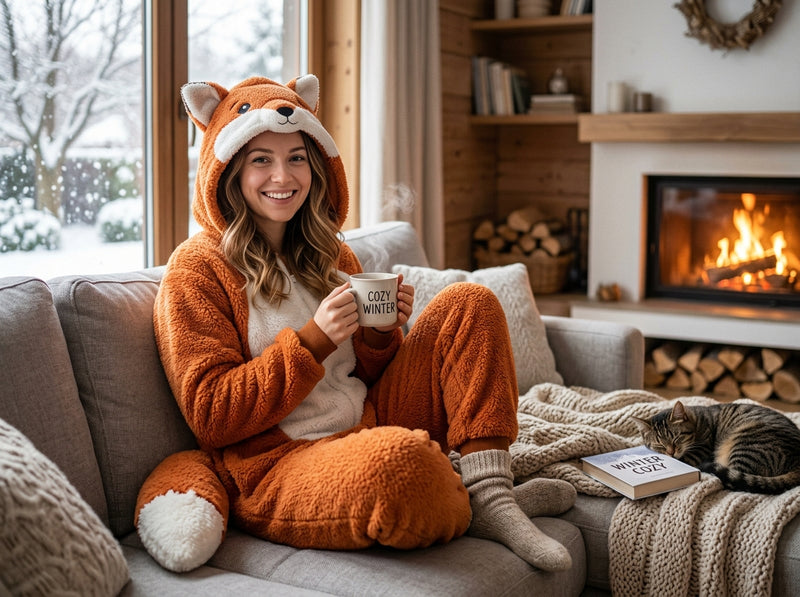
The fit of your kigurumi directly affects how warm it feels. A well-fitting kigurumi traps body heat efficiently. One that is too large creates cold air pockets and reduces insulation. One that is too tight restricts circulation and can actually make you feel colder.
Most kigurumi come in a relaxed, slightly oversized cut by design, which is fine for warmth as long as the fit is not extreme. The key areas to check are the wrists, ankles, and neck opening. If cold air can easily enter at these points, warmth will escape quickly.
Sizing can vary quite a bit between brands and styles, so it is always worth checking the specific measurements before buying. For a detailed breakdown of how sizing works across different kigurumi styles, our guide on what sizes kigurumi come in covers everything you need to know to get the right fit.
✅ Final Verdict: Are Kigurumi Warm Enough for Winter?
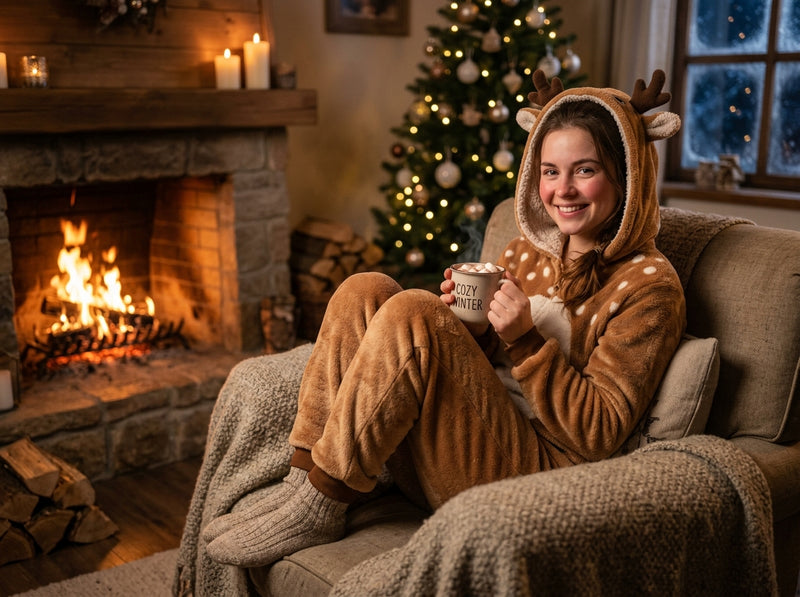
For indoor winter use, yes, absolutely. A quality fleece kigurumi onesie provides real, practical warmth for lounging, sleeping, and staying comfortable during cold months. It is not a replacement for a winter coat outdoors, but it was never meant to be. Choose a thick polar fleece or sherpa-lined option, pay attention to fit and coverage, and layer underneath when needed. Done right, a kigurumi can become your favorite winter garment for everything that happens inside four walls.