

How Do You Wash a Kigurumi?
Your kigurumi just survived a cosplay event, a movie marathon, or a lazy Sunday – and now it needs a wash. But these cozy animal onesies aren’t your average laundry. Wash them wrong and you’ll end up with a shrunken, pilled, or misshapen mess. Here’s exactly how to clean your kigurumi safely and keep it looking great for years.
🏷️ Check the Care Label First
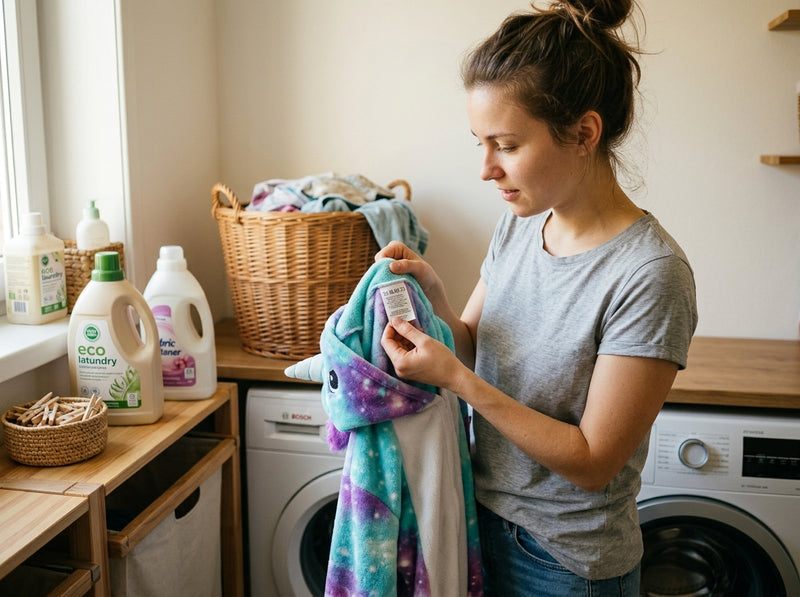
Before anything else, find the care label sewn into your kigurumi. This small tag contains the manufacturer’s official washing instructions, and ignoring it is the fastest way to ruin your garment. Most kigurumis are made from fleece, flannel, or polyester-blend fabrics, each with slightly different care needs.
Care symbols can be confusing, so take a photo of the label and look up the symbols if needed. The international textile care labeling standard provides a reliable reference for decoding washing, drying, and ironing symbols.
Common things to look for on the label:
- Water temperature limits (cold, warm, or hot)
- Machine wash vs. hand wash only instructions
- Tumble dry settings or air dry recommendations
- Do not bleach warnings
- Do not iron symbols (very common on fleece kigurumis)
If the label is missing or unreadable, treat your kigurumi as delicate and follow the gentlest washing method available. When in doubt, cold water and a delicate cycle are always the safer defaults for animal onesie costumes.
🧺 Machine Washing a Kigurumi Safely
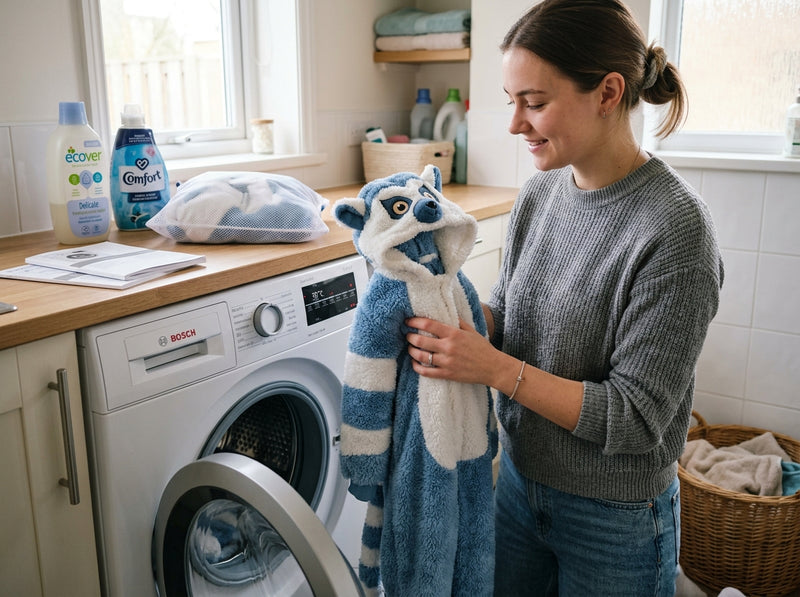
Good news: most kigurumis can go in the washing machine. The key is using the right settings. Aggressive cycles, hot water, and harsh detergents are the three main culprits behind damaged fleece onesies.
Step-by-Step Machine Wash Instructions
Step 1 – Turn it inside out. This protects the outer surface, printed details, and any embroidered features from friction inside the drum. It also helps preserve the color and texture of the fabric.
Step 2 – Use a mesh laundry bag. Place your kigurumi inside a large mesh washing bag before loading it into the machine. This reduces mechanical stress on the fabric and prevents zippers or buttons from snagging.
Step 3 – Select a gentle or delicate cycle. Avoid normal or heavy-duty cycles. A gentle cycle uses slower spin speeds and less agitation, which is exactly what soft fleece and polyester fabrics need.
Step 4 – Use cold water. Hot water causes shrinkage and can break down synthetic fibers over time. Cold water (around 30°C / 86°F or below) is safe for virtually all kigurumi fabrics and still effectively removes odors and light stains.
Step 5 – Choose a mild detergent. Use a gentle, color-safe liquid detergent. Avoid powder detergents, which can leave residue in thick fleece. Never use bleach or fabric softener – bleach damages fibers and fabric softener can reduce the fluffiness of fleece over time.
⚠️ What to Avoid in the Machine
A few habits that seem harmless can actually damage your kigurumi over multiple washes. Avoid washing it with rough items like jeans, towels with velcro, or anything with zippers that aren’t secured. These create friction that pills the surface of soft onesie fabric.
🤲 How to Hand Wash a Kigurumi
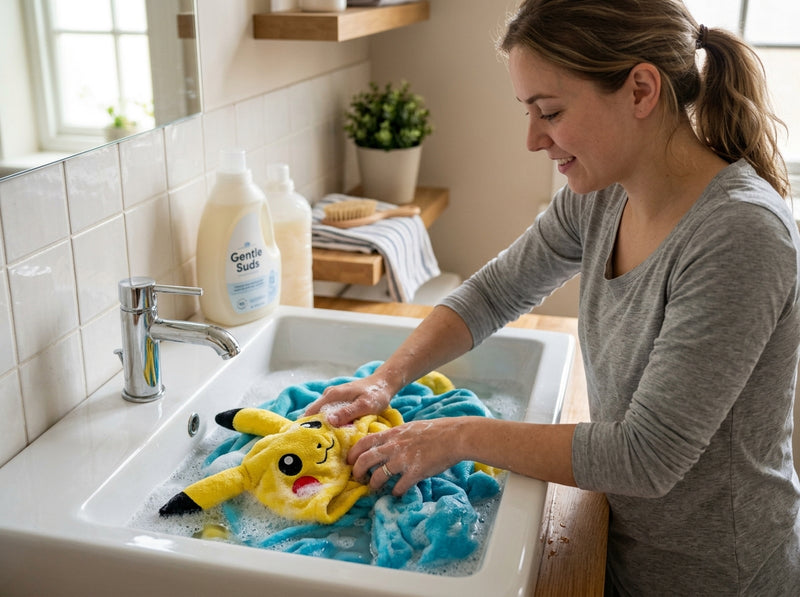
If your care label says hand wash only, or if you simply want to be extra careful with a high-quality or delicate kigurumi, hand washing is a great option. It takes a bit more effort but gives you full control over how the fabric is treated.
Fill a bathtub or large basin with cool or lukewarm water and add a small amount of gentle liquid detergent. Submerge the kigurumi and gently squeeze the water through the fabric, paying extra attention to areas like the hood, cuffs, and any spots with visible staining.
Do not scrub, twist, or wring the fabric. These actions stretch the material and can distort the shape of the onesie. Instead, use a gentle pressing and squeezing motion throughout. Let it soak for no more than 10-15 minutes, then drain the soapy water.
Rinse thoroughly with clean cool water until no soap remains. Leftover detergent residue can make the fabric feel stiff or irritate sensitive skin. Proper rinsing is one of the most overlooked steps in hand washing kigurumis at home.
💧 Drying Your Kigurumi the Right Way
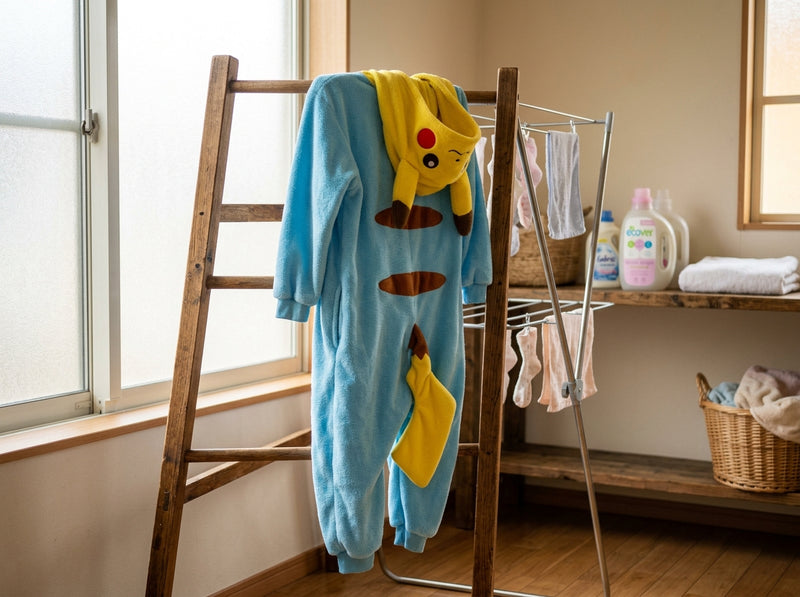
Drying is where most kigurumi washing mistakes happen. The wrong drying method can shrink the fabric, flatten the texture, or permanently distort the shape of the hood and ears.
| Drying Method | Safety for Kigurumi | Notes |
|---|---|---|
| Air dry flat | ✅ Best option | Preserves shape, no heat damage |
| Hang dry | ✅ Good option | May stretch shoulders slightly |
| Tumble dry low heat | ⚠️ Use with caution | Only if label permits, use low setting |
| Tumble dry high heat | ❌ Avoid | Causes shrinkage and fiber damage |
| Direct sunlight | ⚠️ Limit exposure | Can fade colors over time |
The best approach is to lay your kigurumi flat on a clean dry towel and reshape it while still damp. Gently smooth out any wrinkles and position the hood, ears, and tail correctly. Allow it to air dry in a well-ventilated area away from direct heat sources.
If you’re in a hurry, a tumble dryer on the lowest heat setting with a couple of dryer balls can work – but only if your care label allows it. Remove the kigurumi while it’s still slightly damp and finish air drying to avoid over-drying the fleece.
🧹 Spot Cleaning and Quick Freshening Between Washes
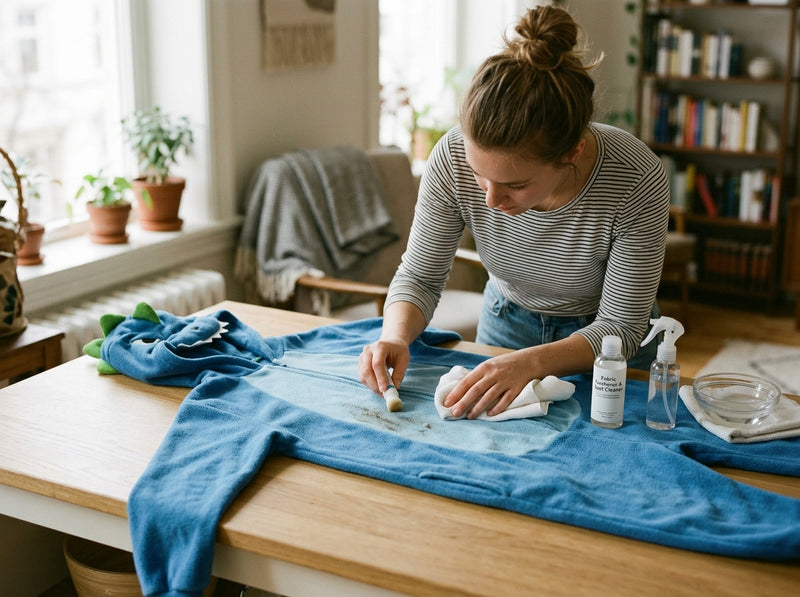
You don’t need to do a full wash every single time you wear your kigurumi. For light use at home, spot cleaning and airing out can extend the time between full washes and reduce wear on the fabric.
For small stains, act quickly. Blot the stain with a clean cloth dampened with cold water. Avoid rubbing, which spreads the stain and pushes it deeper into the fibers. For tougher spots, apply a small amount of mild liquid detergent directly to the area, work it in gently with your fingers, then rinse thoroughly with cold water.
To freshen your kigurumi between washes without water, hang it in a well-ventilated space for a few hours. A light mist of fabric refresher spray can also help neutralize odors. Avoid over-spraying, as too much moisture can encourage mildew if the fabric doesn’t dry quickly enough.
If you’re curious about how sizing affects care and fit over multiple washes, it’s worth reviewing what sizes kigurumi come in to understand how different fits may respond to washing and whether you need to account for any slight shrinkage when choosing your size.
📦 Storing Your Kigurumi After Washing
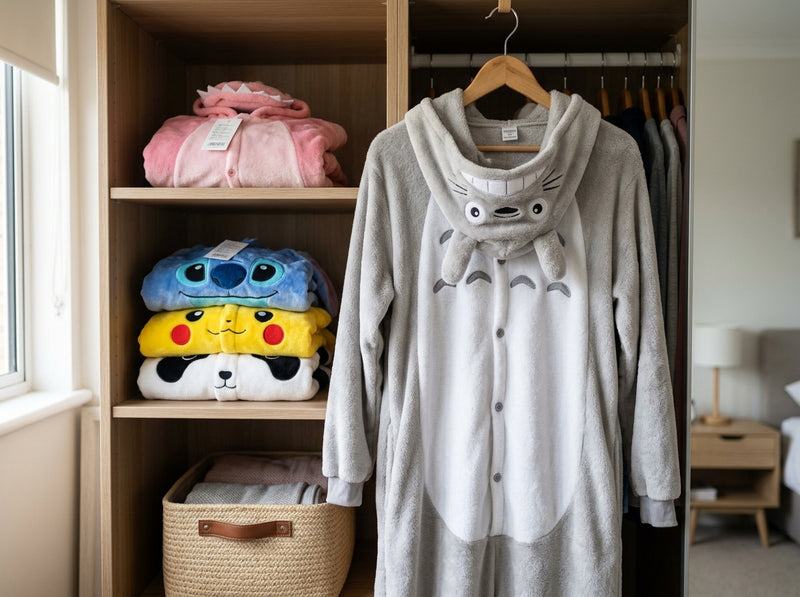
How you store your kigurumi matters almost as much as how you wash it. Improper storage leads to musty smells, creasing, and fabric damage even when the garment is perfectly clean.
Always make sure your kigurumi is completely dry before storing. Even slight residual moisture can cause mildew to develop, especially in thick fleece fabrics. Give it at least several hours of air drying time before folding or hanging.
For long-term storage, fold your kigurumi loosely and place it in a breathable cotton bag or a clean pillowcase. Avoid sealed plastic bags, which trap moisture and prevent air circulation. Store in a cool, dry place away from direct sunlight to prevent color fading.
If you’re storing it for an extended period – between seasons or after a cosplay event – consider placing a cedar block or lavender sachet nearby to deter moths and keep the fabric smelling fresh. Never use mothballs directly on the fabric, as the chemicals can damage synthetic fibers and leave a strong odor.
Understanding what a kigurumi is made of and how it differs from similar garments also helps with care decisions. If you’ve ever wondered about whether a kigurumi is the same as a onesie, the differences in fabric and construction actually explain why kigurumis sometimes require slightly more careful handling than standard onesie pajamas.
✅ Conclusion
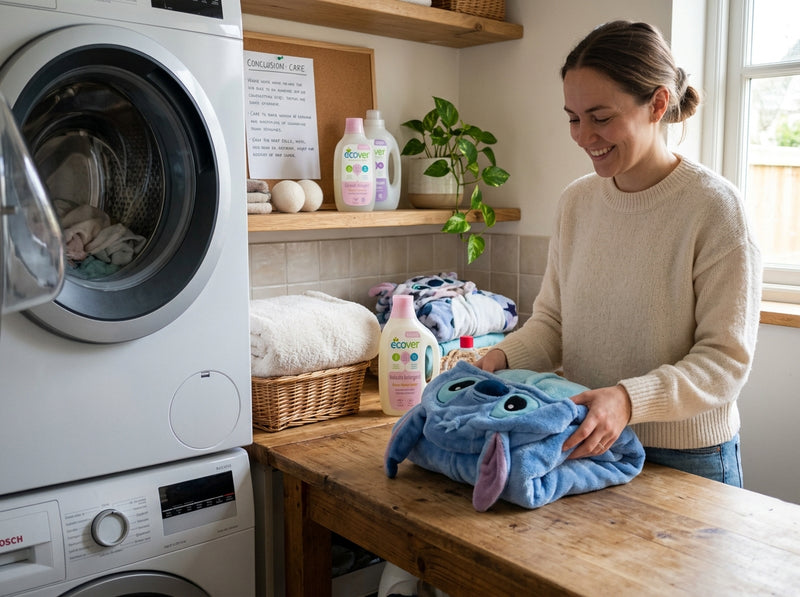
Washing a kigurumi correctly comes down to a few core habits: check the care label, use cold water and a gentle cycle, skip the bleach and fabric softener, and always air dry. Spot clean between wears to extend the life of the fabric. With consistent care, a quality kigurumi can stay soft, vibrant, and well-shaped through dozens of washes. Treat it gently and it will stay cozy for years to come.